Product overview
Brazed tooling consists of a steel shank with a small cemented carbide tip attached by brazing. The proportion of carbide by weight is low, so this stream is assessed differently from solid carbide tooling.
Nautica Metal Scrap B.V. handles brazed tools as a distinct category. Where the buyer's process requires liberated carbide, tip removal can be discussed as a separate preparation step with its own commercial terms.
How tipped tooling is valued against solid carbide is explained in our hardmetal scrap guide.
Technical specification
This material is covered by our solid carbide cutting and tooling scrap specification, which sets out typical forms, identification, contamination and deduction factors, sampling and packing. Typical characteristics only — contractual specifications are agreed per lot.
What defines this stream
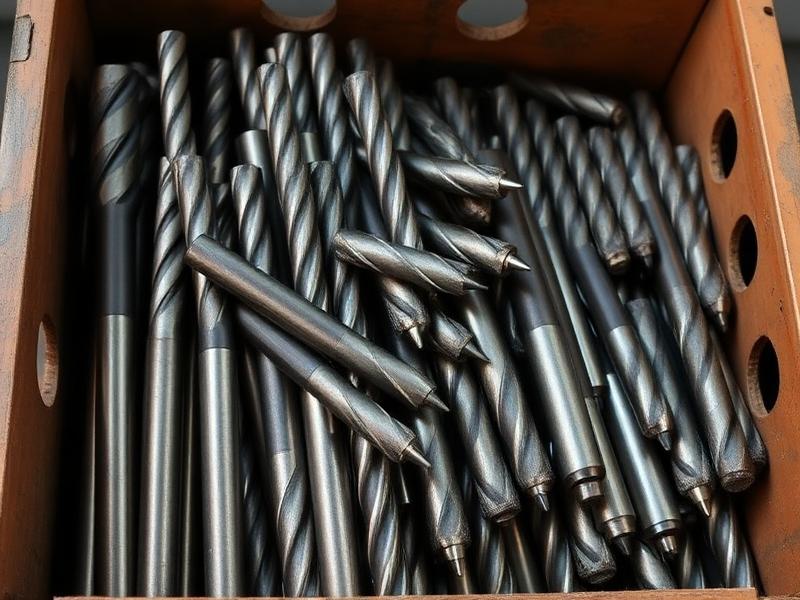
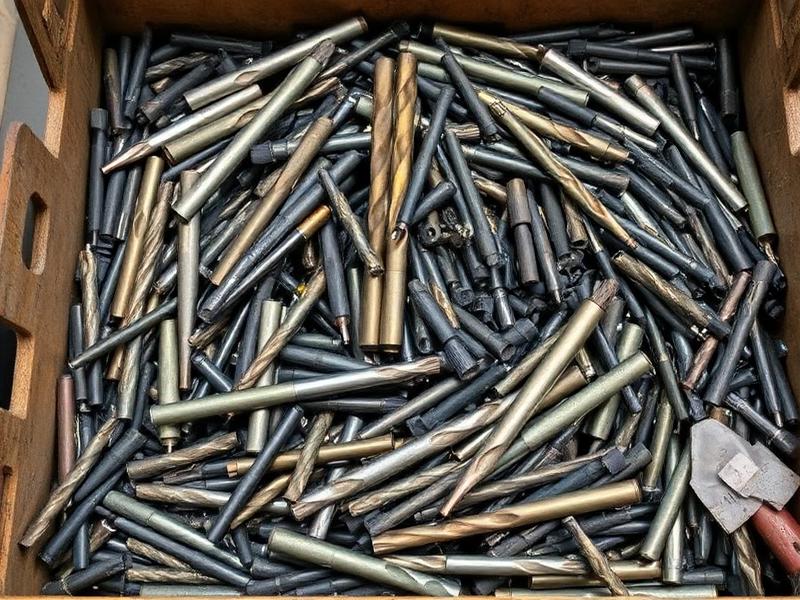
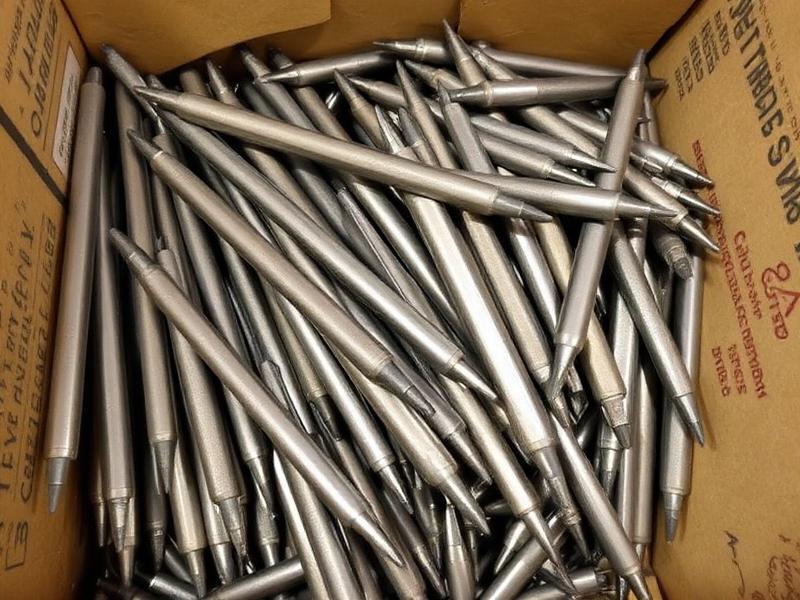
Brazed tooling is a carbide tip joined to a steel body with a braze alloy: tipped turning tools, boring bars, tipped saw blades and cutter heads, planer and moulder knives, and specialist tipped tooling from woodworking and metalworking shops. The tip carries the cutting duty; the steel carries the tip.
That construction is the whole commercial story. The tungsten-bearing fraction is small relative to gross weight, the two materials must be separated mechanically before recovery, and the braze layer sits between them. Presenting brazed tooling as if it were solid carbide would misrepresent the parcel.
- Tipped lathe, planing and boring tools with steel shanks
- Tipped circular saw blades and cutter heads
- Woodworking moulder and planer tooling with carbide tips
- Tools where tips have been lost in service, leaving empty seats
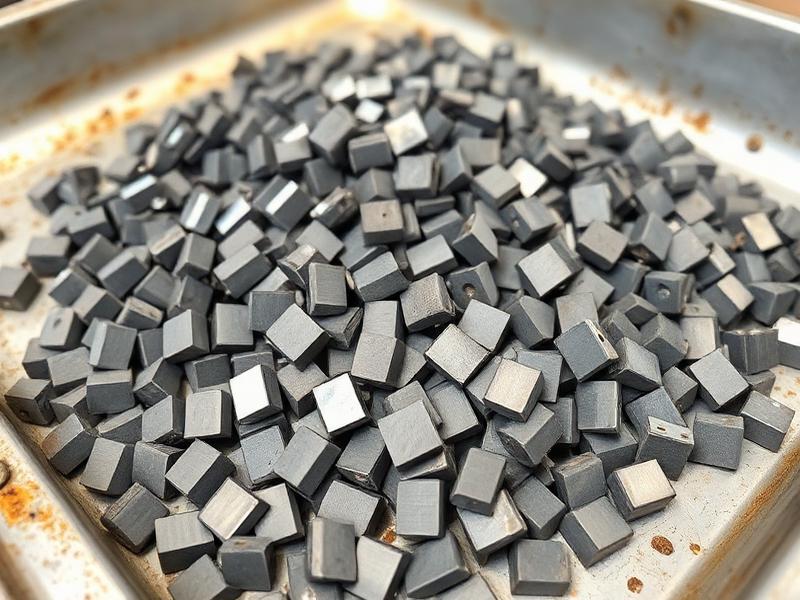
- Loose tips already recovered from steel bodies
Tip-to-steel ratio
The practical measure for a brazed parcel is how much carbide the pallet actually carries. A drum of small tipped turning tools and a pallet of large saw blades with modest tips can weigh the same and contain very different quantities of hardmetal. Piece type, tip size and the share of tools with tips already missing are therefore described before terms are discussed.
Where a generator has already de-tipped a portion of the tooling, that loose tip fraction is far more concentrated and is kept and offered separately.
- Piece mix: small tipped tools, large blades, cutter heads
- Typical tip size and number of tips per piece
- Share of bodies with tips already lost or removed
- Braze alloy residue and steel body condition
- Non-carbide tipped tooling — HSS and stellite-tipped — in the same collection
Saw blades and cutter heads
Tipped saw blades deserve a note of their own: they are bulky, awkward to stack and mostly steel by weight. They are still traded, but they need to be counted as what they are. Blades should be stacked flat and secured rather than loaded loose, both for safety and to make the parcel measurable.
Packaging and handling
- Tipped tools in steel drums or reinforced boxes rated for the weight
- Saw blades stacked flat, banded and palletised, not loose in a container
- Loose recovered tips packed separately and labelled as a distinct fraction
- Cutting oil and grease drained before packing
- Packages labelled with piece type, lot reference and net weight
Commercial terms
Availability is confirmed per lot, since brazed tooling accumulates from workshop replacement cycles. Quotations are prepared FOB Rotterdam or CIF to the destination port once the fractions and packing are agreed. Commercial acceptance is subject to material review.
Tip-to-body ratio and why brazed parcels are assessed by count
The defining characteristic of brazed tooling is that most of the weight is not the material being bought. A brazed lathe tool, a tipped saw blade or a tipped router bit carries a carbide tip that may be a small percentage of the piece. Assessing such a parcel by gross weight alone is meaningless, which is why brazed material is discussed in terms of tip size, tip count and typical body weight instead.
That does not make the material unattractive — brazed tooling is a long-established recycled stream — but it does mean the description has to be specific. Tipped circular saw blades with a known diameter and tooth count can be estimated quite closely. A mixed drum of unidentified tipped tooling cannot, and is treated accordingly.
Tips already missing from a body are a common condition. A blade that has thrown teeth or a tool whose tip has been ground away carries little recoverable carbide, and those pieces are separated out rather than counted into the parcel.
- Tool types present — lathe tools, tipped saw blades, router bits, planer knives
- Approximate tip size and tip count, or blade diameter and tooth count
- Proportion of bodies with tips already lost or fully ground away
- Whether stellite-tipped or HSS-tipped tooling is mixed into the same drums
Brazed tooling is collected from machine shops, saw doctors and woodworking plants across the Netherlands and neighbouring countries. Nautica describes tip fractions and steel-bodied fractions separately so a buyer can judge the parcel before committing, and shipments load through Rotterdam.
Material forms
- Brazed lathe and turning tools
- Carbide-tipped saw blades and segments
- Boring bars with brazed tips
- Planing and shaping tools
Typical sources
- General engineering workshops
- Sawmills and metal cutting operations
- Maintenance and repair facilities
- Tool rooms clearing legacy inventory
Applications and recovery routes
- Carbide recovery after tip liberation
- Steel shank recycling as a secondary stream
- Mixed feedstock for specialist reclaim operations
Sorting and preparation
- Estimation of carbide tip content relative to steel
- Separation of fully steel tools without tips
- Removal of wooden handles, plastic and packaging
- Optional tip liberation by prior agreement
Inspection and verification
- Visual inspection
- Material sorting
- Magnetic separation where applicable
- XRF analysis where technically suitable
- PMI verification where applicable
- Weight verification
- Moisture inspection where applicable
- Radioactivity screening
- Packing inspection
- Loading supervision
- Third-party inspection by mutual agreement
Inspection scope, testing method, certificates, and acceptance criteria must be agreed in the sales contract before shipment.
Packaging and loading
- Steel drums or reinforced boxes
- Crates for long boring bars
- Palletised and strapped
- Gross and net weights recorded per package
Export documentation
- Commercial Invoice
- Packing List
- Bill of Lading
- Certificate of Origin
- Weight Certificate
- Inspection Certificate
- Certificate of Analysis, when available
- Technical Data Sheet, when applicable
- Insurance Certificate, depending on Incoterm
- Loading photos and videos
Available documentation depends on the product, inspection arrangement, destination requirements, and agreed contractual terms.
Brazed Carbide Tools — frequently asked questions
Related materials