Product overview
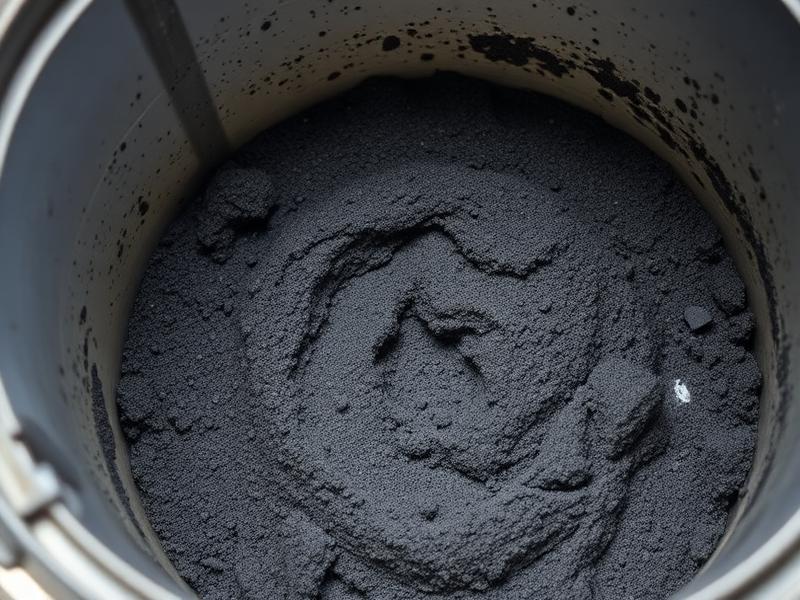
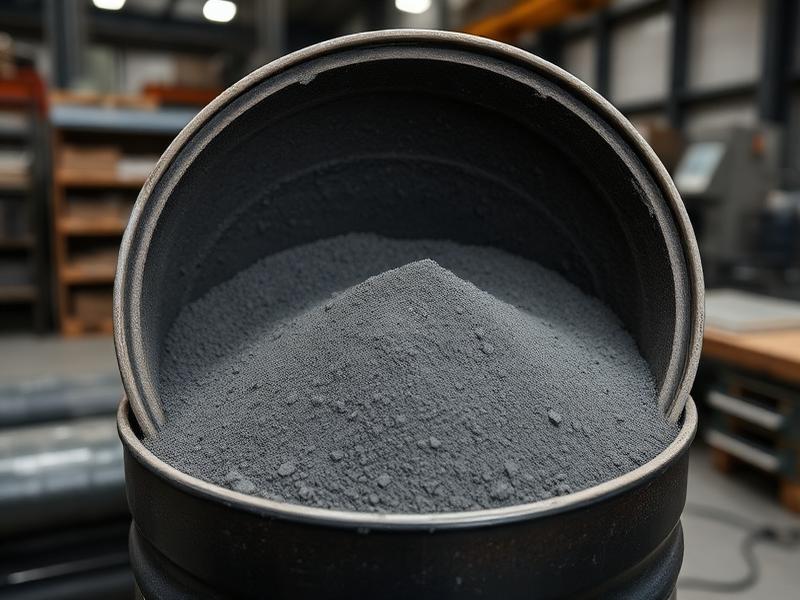
Soft scrap is generated before final sintering: spray-dried powder, pressed green compacts, machining swarf from green machining and reclaimed powder from process equipment. It is chemically similar to the finished hardmetal but physically far more fragile.
Powder handling requires sealed packaging, careful weight control and clear documentation. Because powder can shift and can be classified differently by carriers, packing and declaration details are confirmed before booking.
The distinction between soft and hard hardmetal streams is set out in detail in our hard versus soft carbide scrap guide.
Technical specification
This material is covered by our tungsten carbide soft scrap (powder, sludge, swarf) specification, which sets out typical forms, identification, contamination and deduction factors, sampling and packing. Typical characteristics only — contractual specifications are agreed per lot.
Soft scrap is a different material, not a lesser one
Soft scrap is tungsten-bearing material that has not been sintered into a solid article: ready-to-press and spray-dried powder, off-specification and expired powder batches, green-state pressed compacts, and dry collected fines. It is generated inside the hardmetal industry itself rather than at the machine shop.
It must never be described interchangeably with solid carbide. Handling, sampling, packing and transport requirements are all different, and a buyer's recovery route for powder is usually not the same as for sintered scrap.
- Ready-to-press and spray-dried carbide powder
- Off-specification, expired or superseded powder batches
- Green-state pressed compacts and unsintered rejects, which crumble rather than chip
- Dry fines collected from extraction and handling systems
Why sampling matters more than inspection
You cannot judge a powder lot by looking at it. Two drums from the same generator can differ, and material at the top of a drum is not representative of the bottom. The commercial basis for powder is therefore a representative composite sample taken across drums and depths, with the sampling protocol and analysis method agreed in writing before shipment.
Nautica does not operate its own laboratory. Where analysis is required it is performed by a laboratory or inspection company the parties appoint, and the result is a contractual matter between buyer and seller.
- Whether the material is a single production batch or an accumulation
- Free-flowing powder versus caked or partially agglomerated material
- Binder content in the original formulation, which varies by batch
- Foreign material picked up during collection and transfer
- Availability of the generator's batch documentation
Moisture and storage
Powder streams pick up moisture readily, and moisture is weight without value. Material should be stored under cover in closed containers from the moment it is generated, and packed in sealed drums rather than open bags. Where moisture is significant, dry basis versus as-received basis must be agreed contractually rather than assumed.
Packaging and transport
- Sealed steel drums with secure closures, filled by weight
- Lined bulk bags only where the material is dry and the bag is rated for the density
- Powder, compacts and fines kept as separate labelled fractions
- Batch or lot references retained on each package where available
- Packages kept under cover before loading and stowed to prevent movement
Export considerations
Powders and fine residues are frequently described and controlled differently from solid metal scrap, and some destinations apply additional import controls or notification requirements to fine material. Nautica does not assign a tariff code in advance; importers must confirm classification and any permit or notification obligation with their customs broker or competent authority before contracting.
Batch identity, powder condition and why paperwork carries weight here
Soft scrap is production material that never reached final sintering: spray-dried granulate, pressed green compacts, presintered blanks, and reclaim powder from a pressing operation. Unlike used tooling, it usually comes with an identity — a batch number, a grade reference, a production record — because it was made under process control before it became scrap.
That documentation is unusually valuable in this stream, because powder cannot be assessed by looking at it. Two drums of visually identical grey granulate can be very different grades. Where batch records, grade references or the producer's own analysis exist, they should travel with the material; where they do not, the parcel is treated as unidentified powder.
Physical condition is the other half of the description. Powder that has taken up moisture, granulate that has agglomerated, and green compacts that have crumbled in transit all handle differently downstream. Closed, sealed, dry packaging is not a formality for this material — it is the difference between a controlled parcel and a residue.
- Whether batch records, grade references or producer analysis exist
- Form split between granulate, green compacts, presintered blanks and reclaim powder
- Packaging currently in use and whether it is sealed and dry
- Whether any organic pressing binder or wax is still present
Soft scrap is handled as a documented, sampled stream rather than a visual trade: fractions are kept separate, packages labelled, and any analysis carried out by a laboratory the parties appoint. Shipments are prepared in the Netherlands and loaded through Rotterdam.
Material forms
- Spray-dried and ready-to-press powder
- Pressed green compacts and preforms
- Green machining swarf
- Reclaimed powder from mills and presses
Typical sources
- Hardmetal and cemented carbide producers
- Powder metallurgy plants
- Preform and blank manufacturers
- Process housekeeping and equipment cleanout
Applications and recovery routes
- Direct reintroduction into hardmetal production where suitable
- Chemical reclamation routes
- Recovery of tungsten and binder units
Sorting and preparation
- Segregation by declared origin batch where the supplier documents it
- Screening for foreign objects and packaging debris
- Moisture inspection before sealing
- Exclusion of visibly mixed or contaminated powder
Inspection and verification
- Visual inspection
- Material sorting
- Magnetic separation where applicable
- XRF analysis where technically suitable
- PMI verification where applicable
- Weight verification
- Moisture inspection where applicable
- Radioactivity screening
- Packing inspection
- Loading supervision
- Third-party inspection by mutual agreement
Inspection scope, testing method, certificates, and acceptance criteria must be agreed in the sales contract before shipment.
Packaging and loading
- Sealed steel drums with locking rings
- Inner liners to prevent moisture ingress and dusting
- Reduced fill weight per drum for safe handling
- Drum-level labelling and weight records
Export documentation
- Commercial Invoice
- Packing List
- Bill of Lading
- Certificate of Origin
- Weight Certificate
- Inspection Certificate
- Certificate of Analysis, when available
- Technical Data Sheet, when applicable
- Insurance Certificate, depending on Incoterm
- Loading photos and videos
Available documentation depends on the product, inspection arrangement, destination requirements, and agreed contractual terms.
Carbide Powder and Soft Scrap — frequently asked questions
Related materials