Product overview
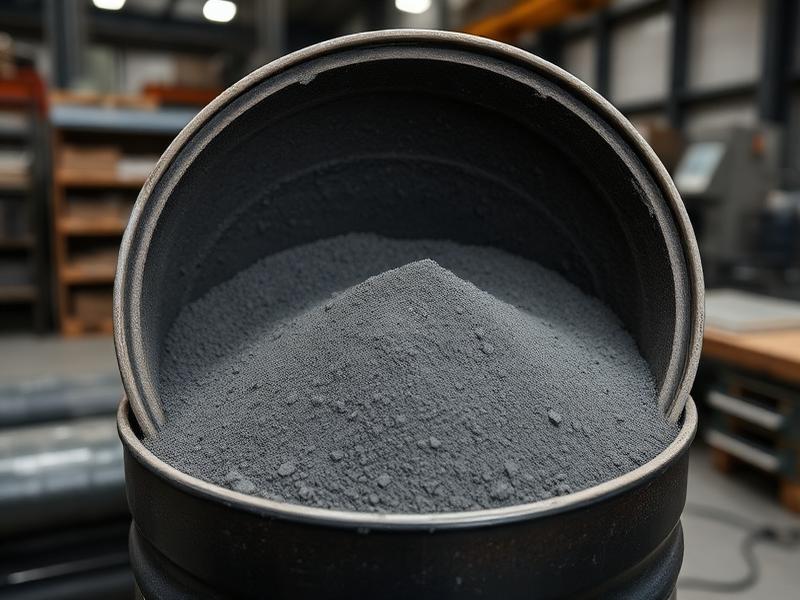
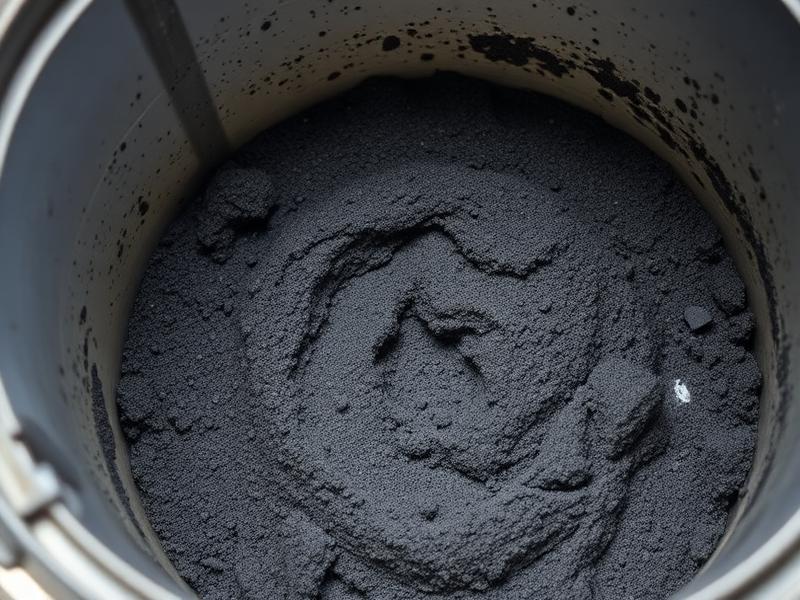
Tool grinding generates fine carbide particles suspended in coolant. After filtration or pressing, the resulting sludge or filter cake carries a meaningful tungsten content but also holds oil, water, abrasive fines and steel particles.
Moisture content is the single most important commercial variable in this stream. Free liquid must be removed before packing, and the agreed basis for moisture deduction should be written into the contract.
How grinding residues are treated in the recovery chain is described in our carbide recycling and material guide.
Technical specification
This material is covered by our tungsten carbide soft scrap (powder, sludge, swarf) specification, which sets out typical forms, identification, contamination and deduction factors, sampling and packing. Typical characteristics only — contractual specifications are agreed per lot.
What grinding residues actually are
Carbide grinding sludge is not carbide with some impurities in it. It is a matrix: tungsten-bearing fines dispersed through coolant, grinding wheel abrasive and bond material, with whatever else the shop grinds mixed in. Filter-pressed cake and dry swarf are the same material at different moisture levels.
Because the wheel wears while it cuts the carbide, abrasive is always present. That is inherent to the stream, not a sign of a poorly managed generator, and it is one of the reasons this material is evaluated only on sampled and dried figures.
- Wet grinding sludge from carbide tool grinding and regrinding
- Filter-pressed sludge cake from coolant filtration systems
- Dry grinding swarf and fines from extraction systems
- Polishing and lapping residues containing tungsten-bearing fines
Mixed grinding and dilution
The single most important question for a sludge parcel is what else the shop grinds. A grinding room that handles carbide exclusively produces a very different residue from one that grinds HSS and alloy steels on the same machines and into the same filtration circuit. Steel fines dilute the tungsten-bearing fraction and change the recovery route.
Composition varies by generating operation and lot. Commercial acceptance is subject to material review, and analysis may be arranged where applicable.
- Whether the generating shop grinds carbide exclusively or mixes materials
- Free water, coolant and oil content in as-received material
- Whether the material has been dried, filtered or pressed
- Grinding wheel abrasive and bond material carried through the sludge
- Filter media, cloth and paper fragments in the drums
Sampling protocol
Handheld surface screening on wet sludge reads whatever crust or skin is presented at that spot and represents nothing beyond it. The workable approach is incremental sampling across drums and depths, combined into a composite, with moisture determined by drying before any elemental figure is discussed. Sampling method, drying basis and analysis are agreed in the contract; the appointed laboratory is a matter for the parties.
Packaging, moisture and transport
- Sealed or lined steel drums for wet material — never bulk bags
- Free liquid decanted or pressed off before packing
- Wet sludge, pressed cake and dry swarf kept as separate labelled fractions
- Drums filled to a handleable weight, well below volume capacity
- Packages stored under cover so rainwater is not added to the parcel
Regulatory and documentary care
Sludges and wet residues are frequently subject to different customs treatment and, in some destinations, to additional import controls or notification requirements that do not apply to solid scrap of the same metal family. Nautica does not assign a classification in advance. Importers must confirm the applicable tariff code and any waste-shipment or import obligation with their customs broker or competent authority before contracting.
Moisture, fines content and realistic expectations for grinding residues
Grinding residue is the least uniform tungsten-bearing material in the trade, and the honest starting point is that a drum of sludge cannot be valued from a photograph. What is in it depends entirely on what the grinding shop was working on: a dedicated carbide grinding line produces residue with a high carbide fines content, while a mixed shop that grinds steel and carbide on the same machines produces a residue in which iron and abrasive make up much of the solids.
Moisture is the second variable and it is quantitatively large. Filter-press cake, settled sludge and free-draining swarf can differ enormously in water content, and water is not a recoverable material. Pressing, drying or at minimum draining before packing changes what the parcel actually contains rather than merely improving its appearance.
Abrasive wheel debris is the third. Grinding wheels wear as they cut, and the wheel material ends up in the same residue. Where a shop uses resin-bonded diamond wheels the contribution differs from conventional abrasive wheels, and it is worth stating which is in use.
- Whether the residue comes from a dedicated carbide line or a mixed grinding shop
- Current moisture condition — free liquid, settled sludge, pressed cake or dried
- Wheel type in use and expected abrasive content
- Whether any sample analysis has already been carried out
Residue parcels are handled with the documentation and sampling discipline the material demands: fractions separated, packages labelled, moisture addressed before figures are discussed, and analysis carried out by a laboratory the parties appoint.
Material forms
- Pressed filter cake briquettes
- Loose wet grinding sludge
- Dried or partially dried swarf
- Coolant tank bottom residue
Typical sources
- Carbide tool grinding and regrinding shops
- Hardmetal finishing operations
- Cutting tool manufacturers
- Coolant management and filtration services
Applications and recovery routes
- Chemical reclamation of tungsten units
- Recovery routes designed for fine and mixed material
- Secondary input to hardmetal raw material production
Sorting and preparation
- Removal of free liquid before packing
- Magnetic separation of steel grinding fines where applicable
- Screening for abrasive wheel fragments
- Moisture inspection and recording
Inspection and verification
- Visual inspection
- Material sorting
- Magnetic separation where applicable
- XRF analysis where technically suitable
- PMI verification where applicable
- Weight verification
- Moisture inspection where applicable
- Radioactivity screening
- Packing inspection
- Loading supervision
- Third-party inspection by mutual agreement
Inspection scope, testing method, certificates, and acceptance criteria must be agreed in the sales contract before shipment.
Packaging and loading
- Sealed steel drums with liners to contain residual moisture
- Absorbent material where required by the carrier
- Reduced fill weight and secure palletisation
- Individual drum weights recorded before loading
Export documentation
- Commercial Invoice
- Packing List
- Bill of Lading
- Certificate of Origin
- Weight Certificate
- Inspection Certificate
- Certificate of Analysis, when available
- Technical Data Sheet, when applicable
- Insurance Certificate, depending on Incoterm
- Loading photos and videos
Available documentation depends on the product, inspection arrangement, destination requirements, and agreed contractual terms.
Carbide Sludge and Grinding Swarf — frequently asked questions
Related materials