Product overview
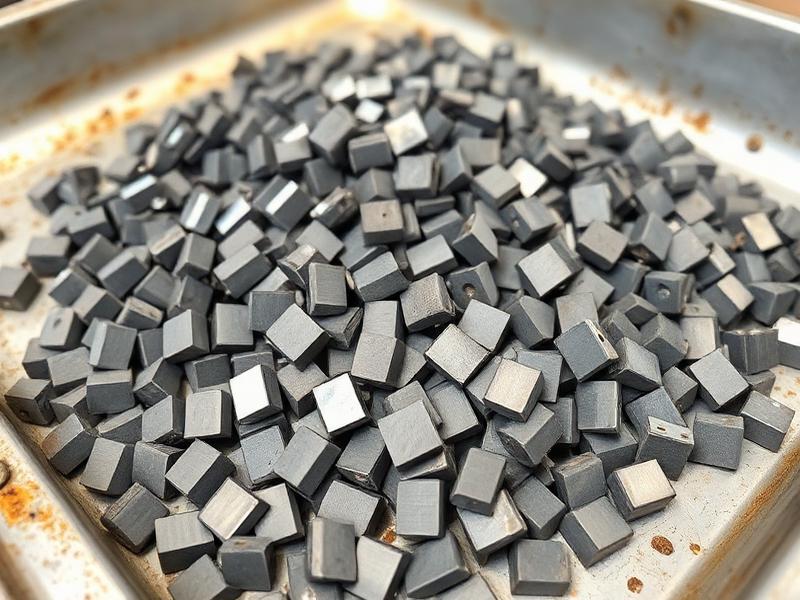
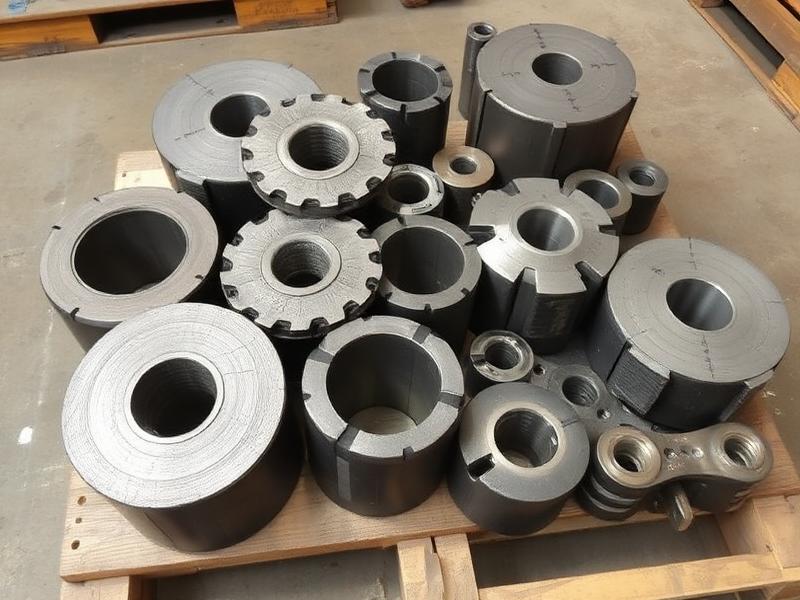
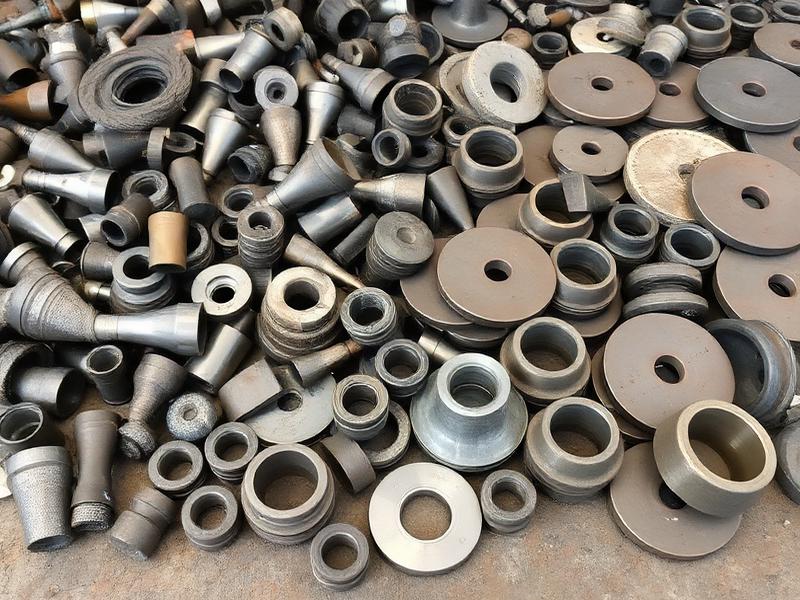
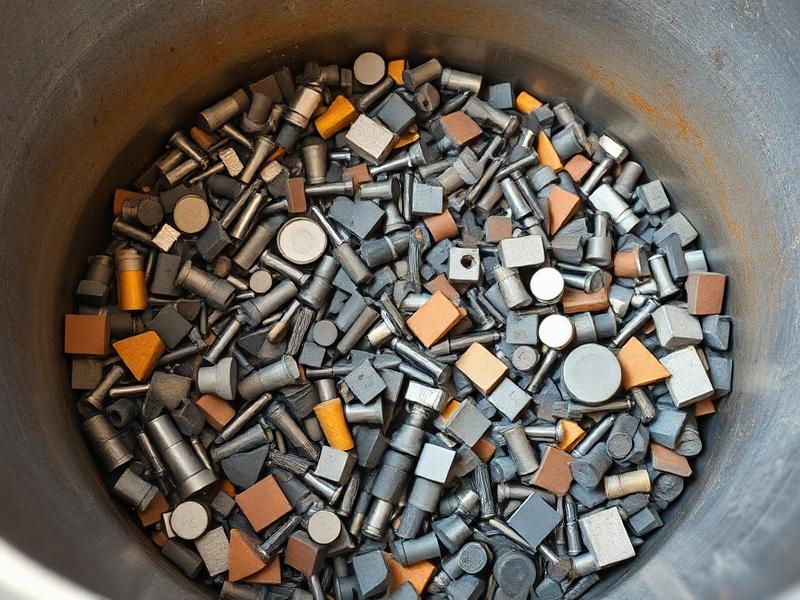
Mixed carbide is the natural output of collection programmes that gather material from many small generators. A single drum may contain inserts, drills, end mills, wear parts, rod ends and a proportion of non-carbide items.
Buyers can take mixed material as-is at terms that reflect the uncertainty, or request sorting into defined sub-streams before shipment. Either route is possible, and the chosen basis should be fixed before the lot is confirmed.
Buyers weighing sorted against unsorted parcels will find the trade-offs discussed in our tungsten carbide scrap grading guide.
Technical specification
This material is covered by our mixed hard tungsten carbide (wc-co hardmetal) specification, which sets out typical forms, identification, contamination and deduction factors, sampling and packing. Typical characteristics only — contractual specifications are agreed per lot.
What a mixed hard carbide lot is
Mixed hard carbide is unsorted sintered hardmetal: inserts, round tooling, dies, wear parts and offcuts collected together rather than separated by article type. It is the default condition in which hardmetal leaves most industrial sites, because generators rarely have the space or labour to sort at source.
The word 'hard' is doing real work here. This is solid, sintered material — not powder, not sludge. Soft scrap must never be blended into a hard carbide parcel, because handling, sampling and recovery are entirely different.
- Assorted used inserts, drills, end mills and tool fragments
- Dies, nibs, wear parts and miscellaneous hardmetal components
- Sintered offcuts, rejects and broken pieces
- Occasional cased or steel-attached items collected with the rest
Evaluating an unsorted parcel
An unsorted lot is judged on what the population looks like as a whole: the balance of article types, how much non-carbide material has come along, and how consistent the drums are with each other. A parcel accumulated from one plant over a quarter is usually far more predictable than a consolidation of many small unrelated collections.
Composition varies by grade and lot; a mixed lot inevitably spans several grade families with different binder contents and grain sizes. Final specifications are agreed for the individual lot or order, and commercial acceptance is subject to material review.
- Balance between tooling, dies, wear parts and fragments
- Non-carbide look-alikes: cermet, ceramic, HSS and hardened steel
- Steel attachments, casings, shanks, holders and hardware
- Coolant, oil, swarf and workshop debris carried in the drums
- Consistency between drums where the parcel was accumulated over time
Sorting: when it pays and when it does not
Sorting a mixed lot into article types costs handling time and only pays where the buyer's process genuinely rewards it. Many refiners are equipped to take mixed hard carbide as it is. Where a buyer needs a defined fraction — inserts only, or dies only — that scope should be raised before the lot is confirmed so the preparation and the terms match.
Packaging and loading
- Steel drums filled by weight, because mixed carbide is dense and drums fill heavy fast
- Sharp fragments contained so packaging is not punctured in handling
- Free liquid decanted before packing
- Palletised, strapped and labelled with lot reference and net weight
- Container loading planned to payload rather than volume
Supply and terms
Mixed hard carbide is the most consistently available hardmetal stream, but availability is still confirmed per lot rather than published as a standing figure. Quotations are prepared FOB Rotterdam or CIF to the destination port once the description, packing and any inspection or sorting scope are agreed.
Deciding whether to sort a mixed lot before offering it
The recurring question on mixed carbide is whether sorting is worth the labour. The answer depends on what the lot contains. Where a drum holds a substantial fraction of clean solid carbide alongside steel-attached items, separating the two is almost always worthwhile — the clean fraction can then be assessed directly instead of being discussed at the level of the weakest material in the drum.
Where the lot is genuinely intermixed and the pieces are small, sorting cost can exceed the gain, and the sensible route is to present it accurately as a mixed lot with representative photographs of an opened drum.
What is never worth doing is offering a mixed lot as though it were a clean one. The material is inspected before loading in any case, and a description that does not survive first contact with the drums costs more time than an accurate one would have.
Non-carbide look-alikes deserve separate mention: cermet, ceramic inserts, HSS tooling and hardfaced steel all travel in mixed collections and all reduce the carbide share. Where a seller can pull those out at source, that is usually the highest-return hour of sorting available.
- Rough weight split between clean solid carbide, steel-attached items and fines
- Whether the collection came from one generator or several
- Whether cermet, ceramic and HSS look-alikes have been removed
- Sorting capability available at the loading location
Mixed hardmetal is the backbone of Nautica's tungsten trade: consolidated from European generators, described as received rather than as an idealised grade, and shipped through Rotterdam with documentation issued per shipment. Buyers may appoint their own inspector before loading.
Material forms
- Combined insert, drill and end mill collections
- Wear parts mixed with tooling
- Rod ends and offcuts in the same container
- Collections with a declared proportion of non-carbide items
Typical sources
- Multi-site collection and buy-back programmes
- Scrap yards consolidating small industrial deliveries
- Workshop clearances and plant decommissioning
- Tool distributors returning mixed inventory
Applications and recovery routes
- General feedstock for carbide reclamation
- Sorting input for higher-grade sub-streams
- Recovery of tungsten and binder units
Sorting and preparation
- Manual separation into insert, round tool and wear part categories
- Magnetic separation of ferrous items
- Removal of HSS, ceramic and non-metallic contamination
- Recording of sorted sub-lot weights
Inspection and verification
- Visual inspection
- Material sorting
- Magnetic separation where applicable
- XRF analysis where technically suitable
- PMI verification where applicable
- Weight verification
- Moisture inspection where applicable
- Radioactivity screening
- Packing inspection
- Loading supervision
- Third-party inspection by mutual agreement
Inspection scope, testing method, certificates, and acceptance criteria must be agreed in the sales contract before shipment.
Packaging and loading
- Steel drums per sorted category where sorting is agreed
- Single-category drums clearly labelled
- Palletised, strapped and weight-listed
- Loading photographs available on request
Export documentation
- Commercial Invoice
- Packing List
- Bill of Lading
- Certificate of Origin
- Weight Certificate
- Inspection Certificate
- Certificate of Analysis, when available
- Technical Data Sheet, when applicable
- Insurance Certificate, depending on Incoterm
- Loading photos and videos
Available documentation depends on the product, inspection arrangement, destination requirements, and agreed contractual terms.
Mixed Tungsten Carbide Scrap — frequently asked questions
Related materials