Product overview
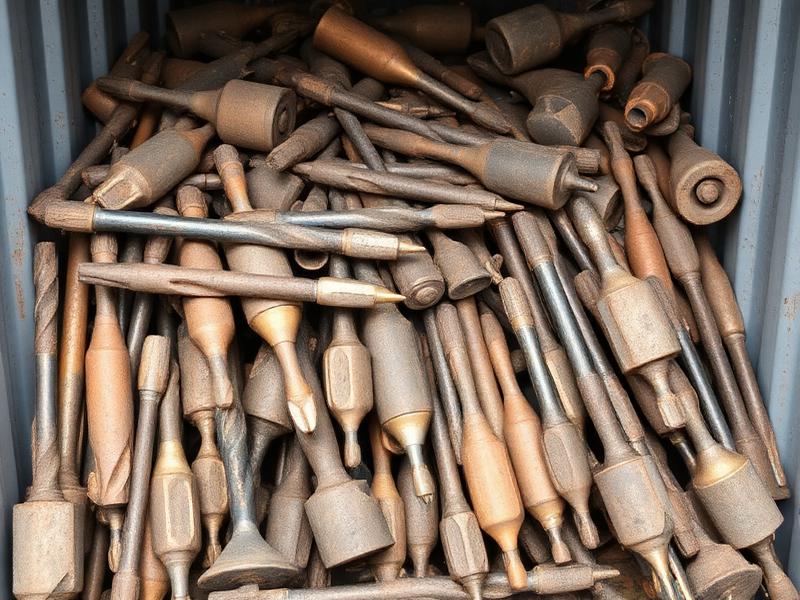
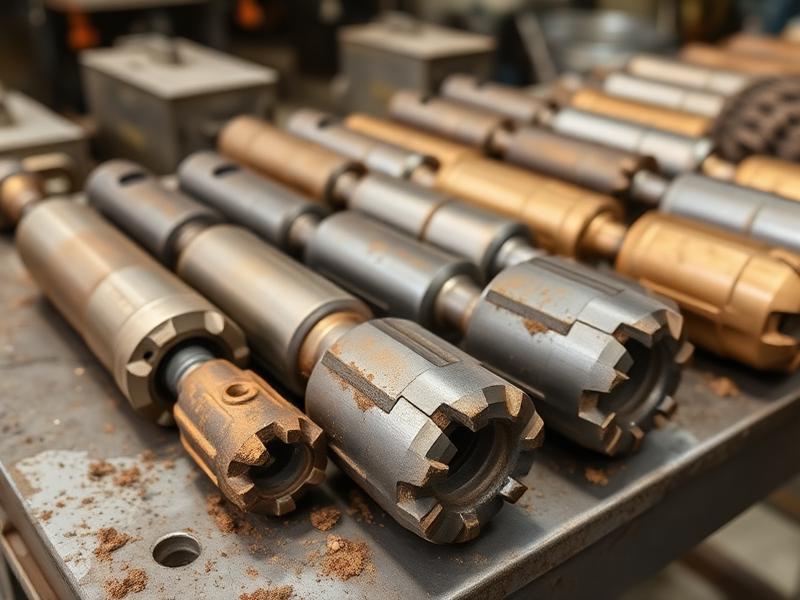
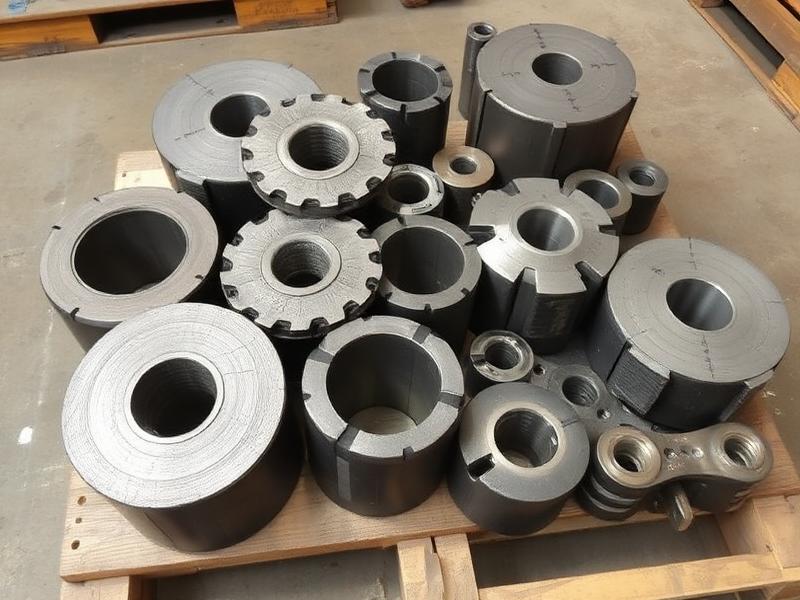
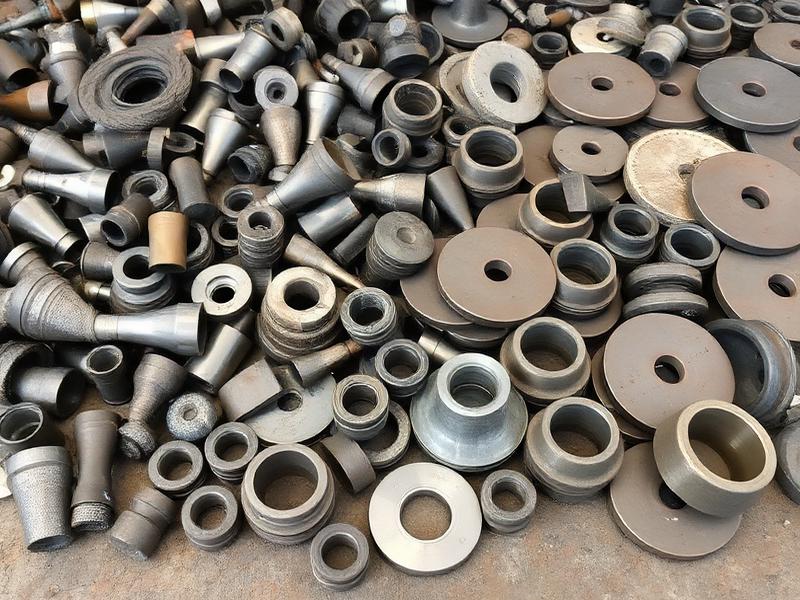
Wear parts cover the broadest range of shapes in the carbide recycling market. Nozzles, seal faces, bushings, plungers, guide plates and liners all share the same underlying cemented carbide substrate but arrive in very different geometries and levels of contamination.
Because wear parts operate in abrasive service, they often carry embedded process residue. Preparation focuses on removing loose contamination and separating any steel housings, sleeves or mounting hardware.
Where wear components sit relative to tooling and mining carbide is explained in our tungsten carbide scrap guide.
Technical specification
This material is covered by our mining, construction and industrial wear carbide specification, which sets out typical forms, identification, contamination and deduction factors, sampling and packing. Typical characteristics only — contractual specifications are agreed per lot.
What this stream contains
Carbide wear parts are components chosen for abrasion resistance rather than for cutting: nozzles, seal rings, bushings, guides, liners, plungers and valve components used in pumps, blasting equipment, textile machinery, chemical plant and process industries. They are replaced on condition, so the stream arrives worn, eroded or cracked rather than intact.
Unlike cutting tooling, wear parts are frequently assembled into steel or bronze housings, bonded into carriers, or fitted with elastomer seals. The carbide element can be a small insert in a much larger assembly, so gross weight alone tells very little about the parcel.
- Blasting and spray nozzles, often heavily eroded through the bore
- Mechanical seal rings and seal faces
- Bushings, sleeves, guides and liners from pumps and process equipment
- Plungers, valve seats and flow-control components
- Carbide elements still mounted in steel, bronze or plastic housings
Assemblies and backing material
The dominant commercial variable here is how much of the parcel is carbide and how much is the part around it. A drum of bare seal rings and a drum of complete assembled seal units are entirely different offers. Where components can be broken out of their housings at source, the parcel becomes far easier to assess and to price.
Some wear parts also carry a bonded backing, braze layer or rubber jacket that cannot be removed by hand. These are described as they are; commercial acceptance is subject to material review.
- Share of bare carbide components against complete assemblies
- Steel, bronze and stainless housings, retainers and carriers
- Elastomer seals, O-rings and rubber jackets
- Process residue inside nozzles, bores and flow passages
- Ceramic and hardened-steel wear parts mixed into the same collection
Identifying carbide among look-alike wear parts
Ceramic seal faces and hardened steel bushings occupy the same drawers in a maintenance store as carbide parts, and they look similar once worn. Weight is again the practical discriminator: carbide is distinctly heavier than a ceramic part of the same dimensions and will not be scratched by a file. Where a lot is mixed, elemental screening on clean surfaces can help sort it, though surface readings alone do not describe a whole lot.
Packaging and preparation
- Steel drums or boxes appropriate to the piece weight and shape
- Bare carbide components packed separately from assembled parts
- Process residue rinsed out of bores where the material allows
- Sharp, cracked pieces contained so packaging is not punctured in transit
- Palletised, strapped and labelled with lot reference and net weight
Commercial supply and export
Wear part scrap accumulates from maintenance cycles rather than production, so parcels build slowly and vary in composition. Availability is confirmed at the time of enquiry. Shipments load through Rotterdam on FOB or CIF terms, with commercial invoice, packing list and lane-specific customs documentation issued per shipment.
Service history, erosion loss and process residue on wear components
Wear parts are bought after a working life spent in an abrasive or erosive process, and that history shapes the parcel. Sandblast nozzles arrive with enlarged bores and a coating of the medium they were firing. Pump and valve components from slurry service carry process solids. Seal faces and guides are usually clean but thin, having lost material to wear rather than to breakage.
Erosion loss is a genuine commercial factor here and one that is easy to describe honestly: a nozzle at end of life weighs measurably less than a new one, and a parcel of heavily eroded components carries less carbide than its piece count implies. Photographs of representative pieces communicate this far better than a description.
Process residue is assessed rather than assumed. Dry abrasive dust brushes off; hardened slurry, scale and cement-like deposits do not, and where they make up a real share of piece weight they are taken into account. Components that carried hazardous, radioactive or chemically aggressive process media are excluded from this stream entirely.
- Industry and process the components came out of
- Typical wear state — lightly worn, at end of life, or failed
- Whether parts remain fitted into steel housings, holders or bodies
- Nature of any residue on the components and whether it can be removed at source
Wear component parcels come from maintenance and process industry generators in the Netherlands and neighbouring markets. Nautica describes assemblies and bare components separately rather than quoting a single blended figure, and buyers can appoint their own inspector before loading.
Material forms
- Blasting and spray nozzles
- Mechanical seal rings and seal faces
- Bushings, sleeves and guide bushes
- Wear plates, strips and liners
- Plungers, pins and valve components
Typical sources
- Pump and valve manufacturers and service centres
- Surface preparation and blasting operations
- Oil, chemical and process industries
- Mineral processing and cement plants
Applications and recovery routes
- Mixed-shape carbide feedstock for reclamation
- Recovery of tungsten and cobalt units
- Input for hardmetal recycling routes
Sorting and preparation
- Removal of steel housings, retaining rings and mounting hardware
- Magnetic separation where applicable
- Cleaning of loose abrasive, slurry and process residue
- Segregation of visibly non-carbide items
Inspection and verification
- Visual inspection
- Material sorting
- Magnetic separation where applicable
- XRF analysis where technically suitable
- PMI verification where applicable
- Weight verification
- Moisture inspection where applicable
- Radioactivity screening
- Packing inspection
- Loading supervision
- Third-party inspection by mutual agreement
Inspection scope, testing method, certificates, and acceptance criteria must be agreed in the sales contract before shipment.
Packaging and loading
- Steel drums for small and medium components
- Crates for large liners and plates
- Palletised and strapped for safe stuffing
- Per-package weight verification
Export documentation
- Commercial Invoice
- Packing List
- Bill of Lading
- Certificate of Origin
- Weight Certificate
- Inspection Certificate
- Certificate of Analysis, when available
- Technical Data Sheet, when applicable
- Insurance Certificate, depending on Incoterm
- Loading photos and videos
Available documentation depends on the product, inspection arrangement, destination requirements, and agreed contractual terms.
Tungsten Carbide Wear Parts — frequently asked questions
Related materials