Product overview
Carbide rod and blank scrap originates upstream of the machine shop, at the tool manufacturing stage. It includes offcuts, dimensional rejects, obsolete inventory and blanks that never entered service.
Because this material has not been used in cutting operations, it is generally free of coatings, built-up edge and heavy contamination. Grade consistency within a single lot is often higher than in mixed used-tool streams, although this remains subject to inspection, sorting, grade, and available analysis.
How rod and blank stock sits against used tooling in the wider market is set out in our hardmetal scrap grading guide.
Technical specification
This material is covered by our solid carbide cutting and tooling scrap specification, which sets out typical forms, identification, contamination and deduction factors, sampling and packing. Typical characteristics only — contractual specifications are agreed per lot.
Material identification
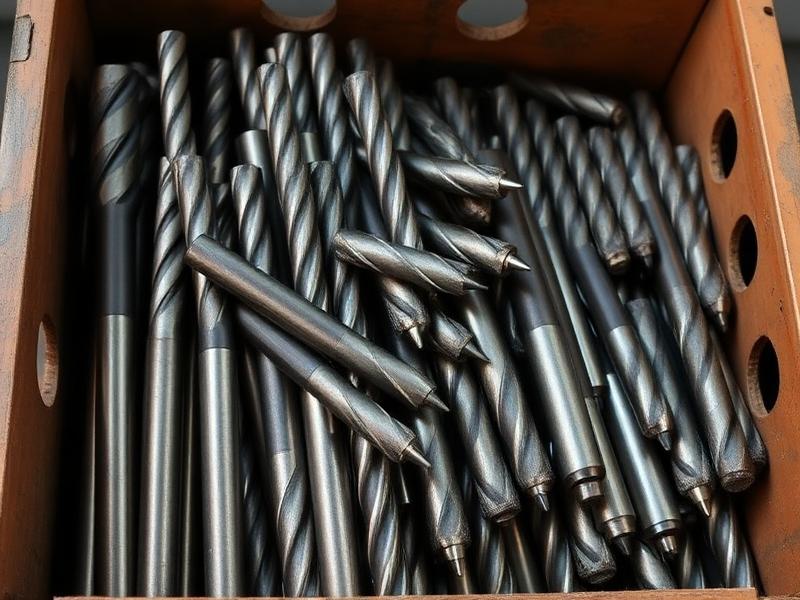
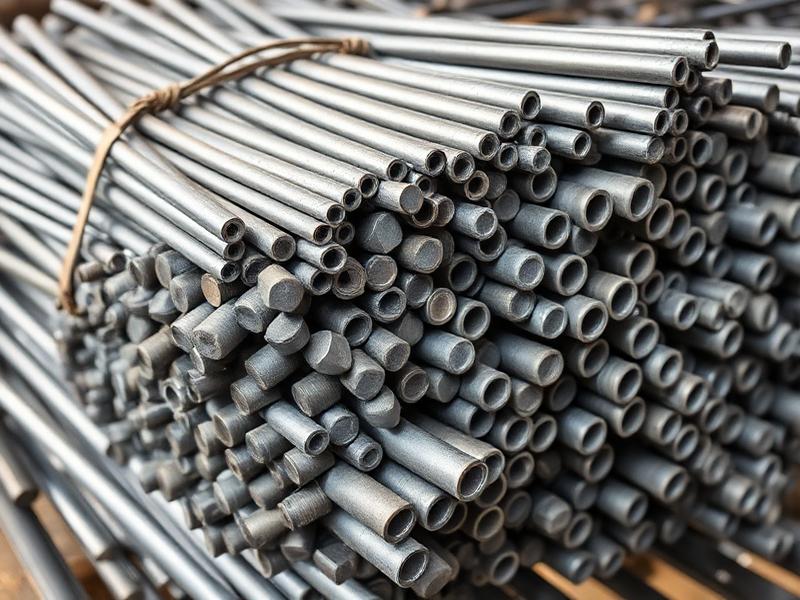
Carbide rod and blank scrap is the most geometrically simple hardmetal stream: straight cylindrical stock, either ground to size or in as-sintered condition, sometimes with helical coolant holes running through the length. It arises mainly upstream of the machine shop, in tool manufacturing and regrinding businesses, rather than from end users.
Because the material has usually never been used to cut, it carries none of the coatings, coolant residue or edge damage typical of used tooling. That makes it visually distinctive: uniform, unoxidised bar material, frequently still in manufacturer packaging.
- Ground and unground carbide rod in assorted diameters and lengths
- Coolant-hole rod and blanks rejected during production
- Off-cuts and short ends from tool blank production
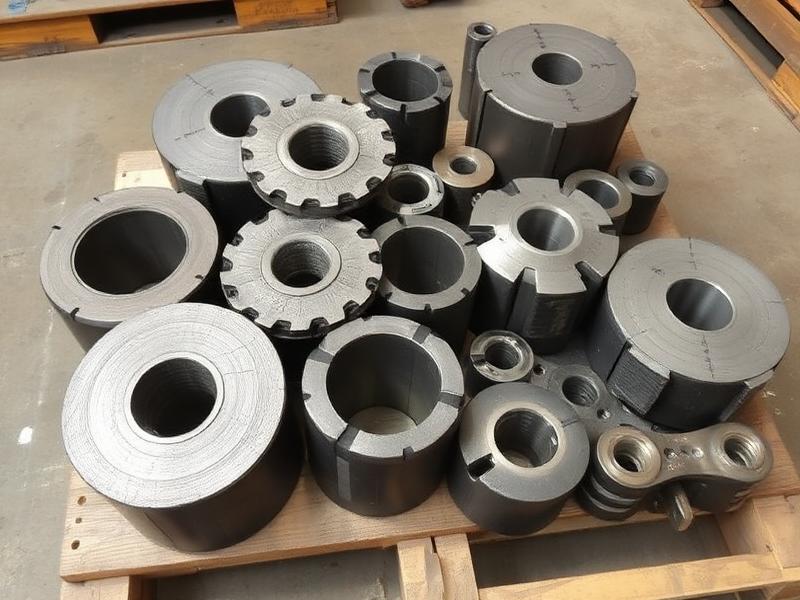
- Preforms and blanks rejected for dimensional or cosmetic reasons
Why this stream is evaluated differently
Rod and blank scrap is generally more homogeneous than used tooling, because a given parcel often comes from one manufacturer and a limited number of grades. That homogeneity is its main commercial characteristic, and it is worth preserving: mixing blanks into general tooling drums destroys the advantage.
Grade information is sometimes available from the generator's production records. Where it exists it is passed on as supplied information, not as a Nautica guarantee. Composition varies by grade and lot, and analysis may be arranged where applicable.
- Whether the parcel comes from a single producer and grade family
- Diameter and length distribution, which affects packing and handling
- Ground versus as-sintered surface condition
- Presence of any grinding residue or coolant from part-processed stock
- Whether original production documentation or labelling accompanies the material
Handling dense bar stock
Rod is heavy for its volume and rolls. Small containers filled to a manageable weight are safer and easier to handle than large boxes that cannot be lifted once full, and separating diameters prevents small rods migrating to the bottom and puncturing packaging.
- Steel drums or small reinforced boxes filled well below volume capacity
- Diameters and lengths kept in separate labelled packages where practical
- Original manufacturer packaging retained where it is intact
- Palletised, strapped and labelled with lot reference and net weight
Supply and quotation basis
Rod parcels arise irregularly, tied to production changes and clear-outs at tool manufacturers, so availability is confirmed at the time of enquiry rather than held as a standing offer. Quotations are prepared FOB Rotterdam or CIF to the destination port once quantity, packing and inspection arrangements are agreed.
Unused blanks, production rejects and why they are quoted apart
Rod and blank parcels split into two commercially distinct populations. Unused blanks — over-ordered stock, discontinued diameters, unground sintered bar — are clean, uniform, uncoated and free of machining residue. Production rejects and used rod ends carry coolant, grinding residue and sometimes coatings, and they arrive in mixed lengths.
Where a seller holds both, quoting them as separate fractions almost always produces a better outcome than combining them, because the uniform material can be assessed on its own terms rather than being averaged with the variable material around it.
Diameter and length distribution are worth stating because they govern handling. Long bar stock does not fit a standard drum and needs crates or bundles; short offcuts fill drums efficiently but require weight control given the density of the material. Coolant-hole blanks retain fluid in their channels and are drained before packing.
- Approximate diameter range and length distribution
- Split between unused blanks, ground rejects and used rod ends
- Whether any material is coated, and whether coolant-hole blanks are present
- Whether grade or supplier documentation survives for unused stock
Rod and blank parcels are sourced from tool manufacturers and regrinding businesses across Europe and consolidated for shipment through Rotterdam. Nautica Metal Scrap B.V. describes what it has actually received; any figure a buyer needs contractually is defined in the sales contract and verified by an agreed inspection or analysis procedure.
Material forms
- Round carbide rod in assorted diameters and lengths
- Coolant-hole and plain blanks
- Cut ends and manufacturing offcuts
- Obsolete or dimensionally rejected stock
Typical sources
- Cutting tool manufacturers
- Carbide blank and preform producers
- Tool grinding operations
- Industrial distributors clearing obsolete inventory
Applications and recovery routes
- Premium feedstock for carbide reclamation
- Recovery of tungsten carbide and binder content
- Input to hardmetal powder production routes
Sorting and preparation
- Separation by approximate diameter where the buyer requests it
- Removal of steel bar and non-carbide look-alikes
- Visual check for coatings or surface treatment
- Exclusion of foreign objects and packaging waste
Inspection and verification
- Visual inspection
- Material sorting
- Magnetic separation where applicable
- XRF analysis where technically suitable
- PMI verification where applicable
- Weight verification
- Moisture inspection where applicable
- Radioactivity screening
- Packing inspection
- Loading supervision
- Third-party inspection by mutual agreement
Inspection scope, testing method, certificates, and acceptance criteria must be agreed in the sales contract before shipment.
Packaging and loading
- Bundled and banded, then drummed or crated
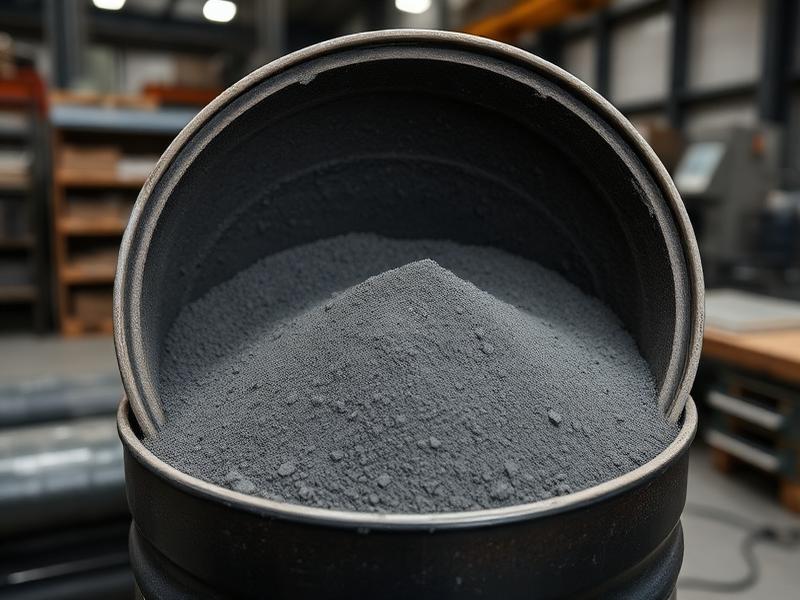
- Steel drums for short cut ends
- Palletised with edge protection to prevent shifting
- Package weights listed individually
Export documentation
- Commercial Invoice
- Packing List
- Bill of Lading
- Certificate of Origin
- Weight Certificate
- Inspection Certificate
- Certificate of Analysis, when available
- Technical Data Sheet, when applicable
- Insurance Certificate, depending on Incoterm
- Loading photos and videos
Available documentation depends on the product, inspection arrangement, destination requirements, and agreed contractual terms.
Tungsten Carbide Rods and Blanks — frequently asked questions
Related materials