Product overview
Cobalt-base alloys are specified for wear, corrosion and high-temperature service. Scrap is generated as machining offcuts, welding and hardfacing remnants, retired valve seats and worn wear components.
Cobalt-bearing material is valuable and closely traced through the supply chain. Clear declaration of origin and alloy family, where the generator has documented it, materially improves the quality of any offer.
Cobalt is the binder in most cemented carbide, and the connection is explained in our hardmetal and binder metal guide.
Technical specification
This material is covered by our cobalt and cobalt alloy scrap specification, which sets out typical forms, identification, contamination and deduction factors, sampling and packing. Typical characteristics only — contractual specifications are agreed per lot.
Material overview
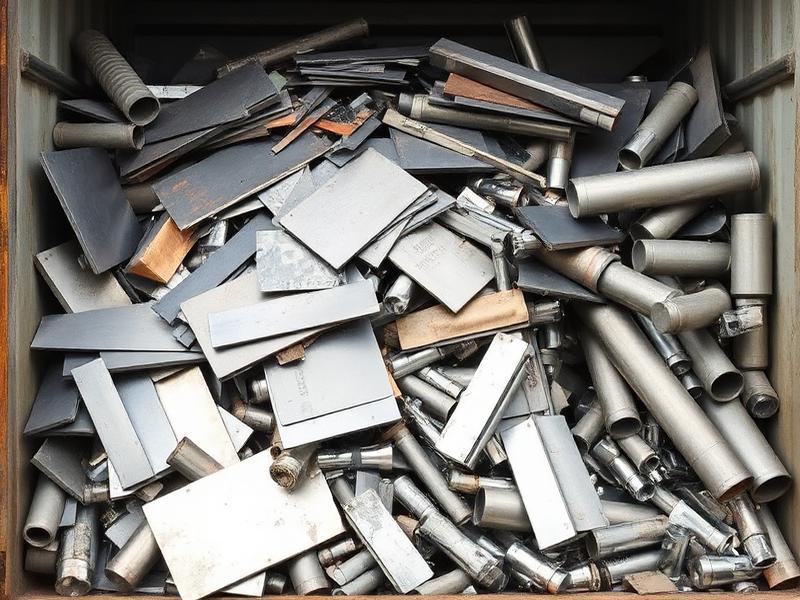
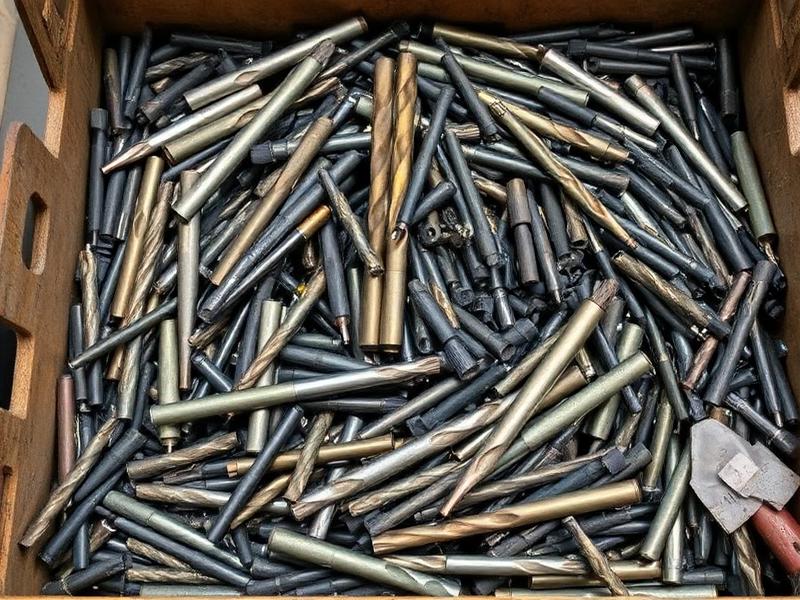
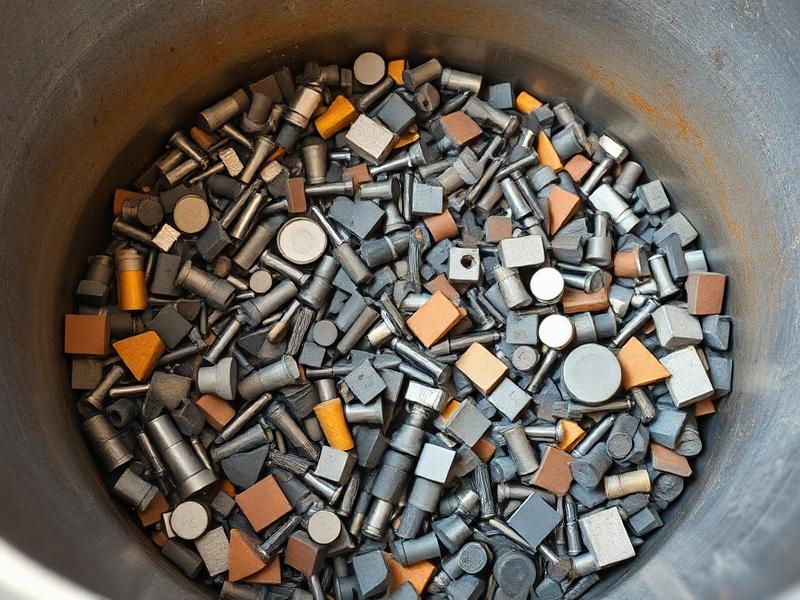
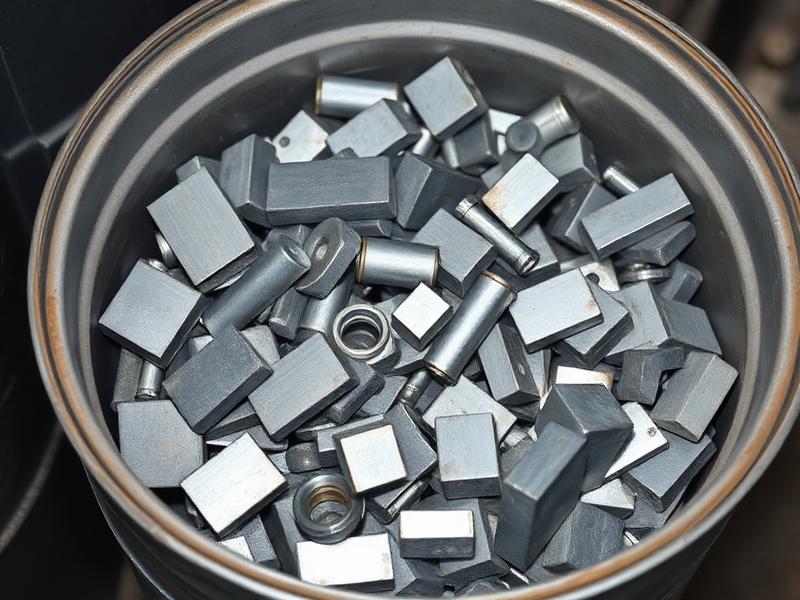
Cobalt-bearing scrap in this stream is predominantly cobalt-base alloy rather than cobalt metal: hardfacing deposits and rods, wear-resistant castings, valve seats and trim, turbine components and medical or dental alloy offcuts. Cobalt also appears as the binder phase in cemented carbide, which is handled through the carbide streams rather than here.
These alloys are chosen for hot hardness, corrosion resistance and galling resistance, which means they turn up in demanding service environments and come back correspondingly worn, coated or contaminated.
- Hardfacing rods, electrodes and unused welding consumables
- Wear-resistant castings, valve seats, trim and bushings
- Turbine and hot-section components withdrawn from service
- Medical, dental and prosthetic alloy offcuts from fabricators
- Machining offcuts and turnings from cobalt-base alloy production
Identification is the central problem
Cobalt-base alloys look like stainless steel and nickel alloys, and worn parts carry no markings. Grade identity is therefore the main commercial question and it cannot be resolved by eye. Where the generator has fabrication records, consumable packaging or a parts list, that information is far more valuable than any visual assessment.
Composition varies by grade and lot. Where figures matter commercially, elemental screening or laboratory analysis can be arranged with the method agreed in the contract; Nautica does not operate its own laboratory.
- Availability of the generator's grade or consumable documentation
- Mixing with stainless, nickel alloy and tool steel in the same collection
- Hardfacing deposits fused to steel substrates, which cannot be separated by hand
- Coatings, oxide scale and process deposits on hot-section parts
- Machining fluid on turnings and offcuts
Hardfacing on steel substrates
A hardfaced valve or wear plate is a steel article with a cobalt-alloy overlay. The overlay is thin relative to the piece, cannot be removed by hand, and is not recoverable as a discrete alloy fraction. Such items are described as hardfaced steel articles rather than as cobalt alloy parcels.
Packaging and preparation
- Steel drums or boxes appropriate to the piece size and weight
- Identified grades kept separate from unidentified mixed alloy
- Turnings drained of cutting fluid and packed separately from solids
- Documentation or consumable labelling kept with the corresponding fraction
- Palletised, strapped and labelled with description, lot reference and net weight
Supply and terms
Cobalt alloy parcels are typically small and specific. Availability is confirmed per lot, and quotations are prepared FOB Rotterdam or CIF once the description, any documentation and the packing arrangement are agreed. Final specifications are agreed for the individual lot or order.
Hardfacing dilution, family separation and what a cobalt parcel should state
Cobalt-base material is bought against alloy families rather than against a single metal, and the dominant complication in the stream is hardfacing. A hardfaced valve, shaft or wear ring is a steel component with a cobalt-base overlay measured in millimetres, so its cobalt-bearing share is a fraction of its weight. Parcels containing hardfaced items are described and packed separately for exactly that reason.
Family separation is the other lever. Cobalt-chromium-tungsten wear alloys and cobalt-chromium-molybdenum medical and corrosion grades have different destinations, and where a generator knows which is which, keeping them apart materially improves the parcel.
Origin is a strong proxy for both. Valve trim from a refinery, prosthetic manufacturing arisings and turbine hot-section hardware each imply a narrow set of families, and stating the origin often substitutes for testing at the enquiry stage.
Turnings and grinding solids from cobalt-base machining are handled where the family is identified and the material has been drained, but they are always a distinct fraction — the residue they carry is unlike the residue on solids.
- Origin process and industry the material came out of
- Whether hardfaced components are included and their approximate share
- Alloy family where known, and whether any documentation survives
- Split between solid components, machining offcuts, turnings and grinding solids
Alloy parcels are described by what the generator can actually evidence — documentation, consumable labelling, known application — rather than by an assumed grade. That discipline is what makes a small specialty parcel placeable with a refiner.
Material forms
- Solid offcuts and machined remnants
- Turnings and grinding swarf
- Hardfacing rod ends and weld deposits
- Retired valve seats and wear components
Typical sources
- Valve and pump manufacturing and refurbishment
- Hardfacing and welding operations
- Turbine and aerospace component machining
- Medical and dental alloy manufacturing
Applications and recovery routes
- Remelt feedstock for cobalt-base alloy production
- Alloying additions in superalloy manufacture
- Chemical reclamation and refining routes
Sorting and preparation
- Separation of solids from turnings
- Removal of steel backing and substrate material
- Segregation by declared alloy family where documented
- Degreasing of oily machining scrap
Inspection and verification
- Visual inspection
- Material sorting
- Magnetic separation where applicable
- XRF analysis where technically suitable
- PMI verification where applicable
- Weight verification
- Moisture inspection where applicable
- Radioactivity screening
- Packing inspection
- Loading supervision
- Third-party inspection by mutual agreement
Inspection scope, testing method, certificates, and acceptance criteria must be agreed in the sales contract before shipment.
Packaging and loading
- Sealed steel drums
- Reduced fill weight for dense solid material
- Palletised, strapped and individually weighed
- Clear labelling by declared category
Export documentation
- Commercial Invoice
- Packing List
- Bill of Lading
- Certificate of Origin
- Weight Certificate
- Inspection Certificate
- Certificate of Analysis, when available
- Technical Data Sheet, when applicable
- Insurance Certificate, depending on Incoterm
- Loading photos and videos
Available documentation depends on the product, inspection arrangement, destination requirements, and agreed contractual terms.
Cobalt Scrap — frequently asked questions
Related materials