Product overview
Nickel-base alloys serve corrosive and high-temperature environments across chemical processing, energy generation and aerospace. Scrap arises from plant decommissioning, heat exchanger replacement, vessel fabrication and component machining.
Because the nickel alloy family is broad and the individual grades behave very differently in remelting, segregation by declared grade adds meaningful value and reduces the risk of downgrade on arrival.
Nickel-bound tungsten heavy alloys are a related but separate stream, as our specialty alloy scrap guide sets out.
Technical specification
This material is covered by our nickel and nickel alloy scrap specification, which sets out typical forms, identification, contamination and deduction factors, sampling and packing. Typical characteristics only — contractual specifications are agreed per lot.
Material overview
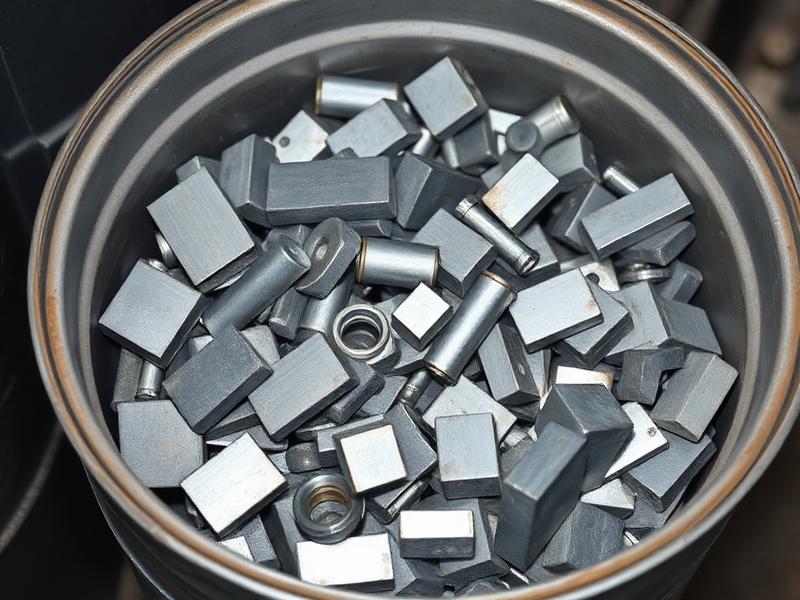
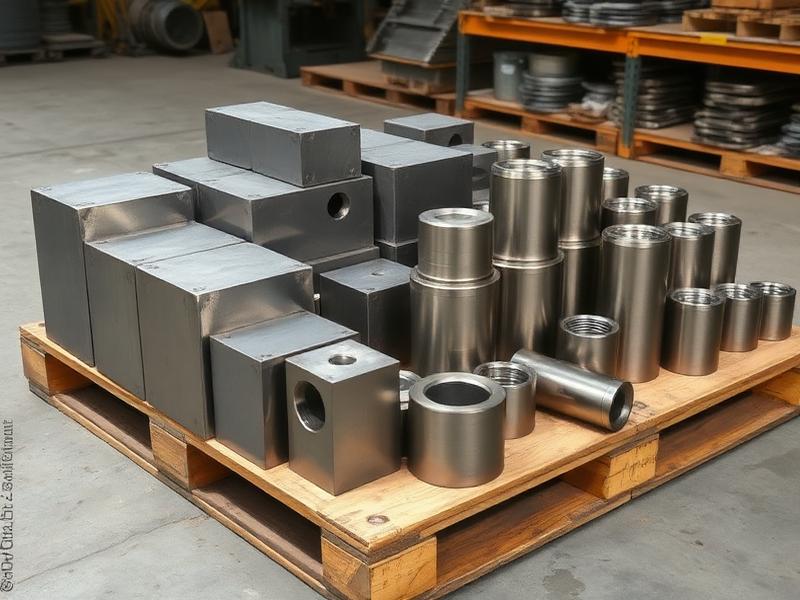
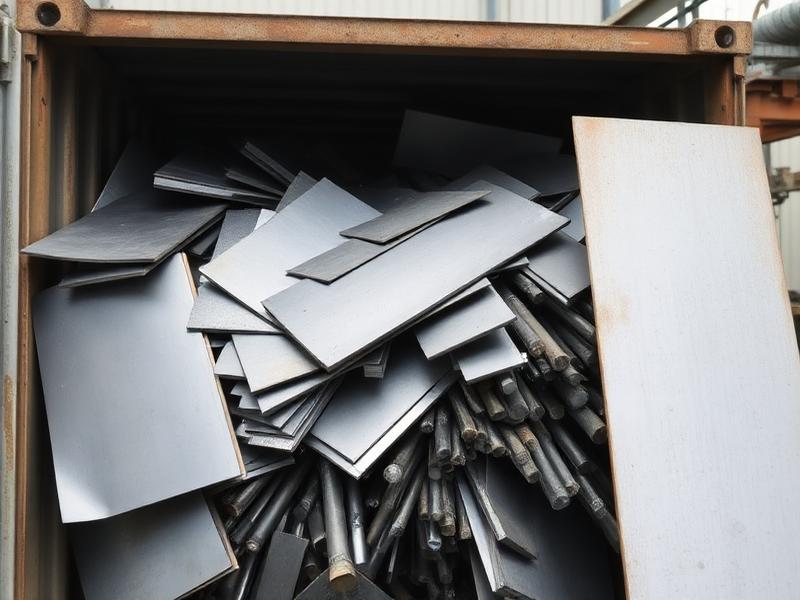
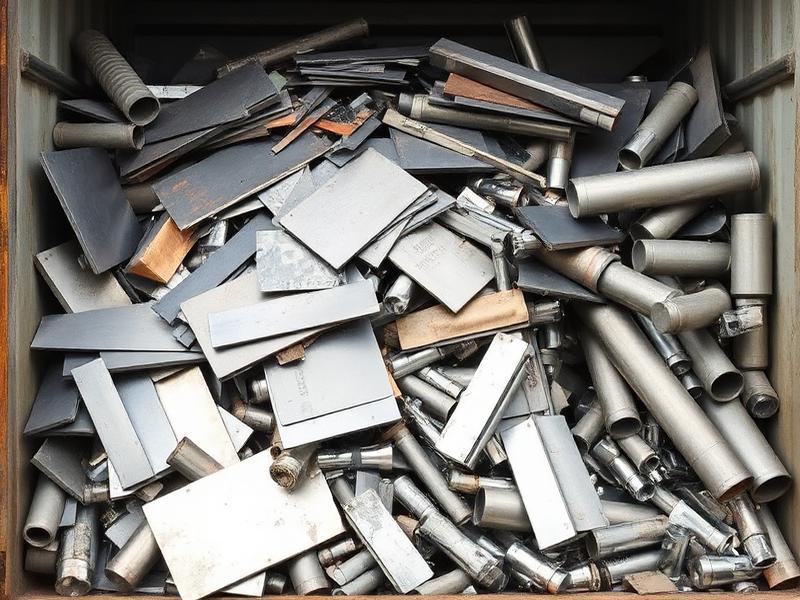
This stream covers commercially pure nickel and nickel-base alloy scrap: plate, sheet and tube offcuts, superalloy fabrication scrap, heat exchanger and process vessel components, turnings and machining scrap. It arises from chemical plant, power generation, aerospace fabrication and process equipment manufacturing.
Nickel alloys are collected here because they share generators and handling characteristics with the specialty alloy trade, and because nickel is the binder system in tungsten heavy alloy — a related but distinctly different material.
- Plate, sheet, tube and pipe offcuts from fabrication
- Superalloy machining offcuts and rejects
- Heat exchanger tubes, bundles and process vessel sections
- Turnings, borings and swarf from nickel alloy machining
- Process equipment components withdrawn from service
Grade identification and mixing
Nickel alloys are numerous and visually indistinguishable from each other and from stainless steel. Fabrication offcuts from a controlled shop usually come with a known grade because the shop bought the material; service-returned equipment usually does not.
Composition varies by grade and lot. Where a grade claim matters commercially, it needs either the generator's documentation or an agreed analysis; a visual description is not a grade statement.
- Availability of mill certificates, cut-off records or purchase documentation
- Mixing with stainless steel and other alloy families in the same container
- Process residue, scale and deposits on service-returned equipment
- Attached steel flanges, supports, gaskets and insulation on vessel sections
- Cutting fluid and mixed swarf in turnings
Service-returned process equipment
Equipment removed from chemical or power plant can carry process residues from what it handled. Generators should state the service, and equipment should be drained, flushed and free of loose residue before it is packed. Commercial acceptance is subject to material review, and items with unresolved process residues are not accepted on description alone.
Packaging and preparation
- Solids in boxes or on secured pallets, cut to a handleable size where practical
- Turnings in sealed drums, drained of cutting fluid, kept free of other alloys
- Documented grades packed and labelled separately from mixed material
- Insulation, gaskets and attached steel removed where practical
- Packages labelled with description, documentation reference and net weight
Commercial terms
Availability is confirmed per lot. Quotations are prepared FOB Rotterdam or CIF to the destination port once the grade evidence, packing and any inspection scope are agreed for the specific parcel.
Fabrication arisings against service returns, and why the difference matters
Nickel alloy parcels fall into two commercially distinct categories. Fabrication arisings — plate offcuts, pipe cuts, bar ends and machining scrap from a workshop that buys certified material — usually retain grade identity and are clean. Service returns from decommissioned process plant have lost their paperwork, may carry insulation, gaskets and internal residue, and require cleaning and identification before they can be described with confidence.
Both are supplied, but they need different information at the enquiry stage. For fabrication arisings the useful facts are the grade, the surviving documentation and the form split. For service returns they are the process the equipment ran, the cleaning status, and whether the item can be cut to a handleable size at the loading point.
Size and stripping dominate the preparation discussion on service returns. Vessel sections, exchanger bundles and reactor internals frequently exceed what a yard can move in one piece, and they arrive attached to carbon steel supports, flanges and framing that must come off before the parcel is a nickel alloy offer.
Where identity is genuinely unknown, the material is packed and labelled as unidentified rather than absorbed into a graded fraction. That single discipline protects the value of the identified material in the same shipment.
- Whether the parcel is fabrication arisings or decommissioned service equipment
- Grade or alloy family and how it was established, including any mill documentation
- Cleaning, draining and stripping status of any process equipment
- Largest piece dimensions and whether cutting is available at the loading point
Nickel alloy parcels are assessed on evidence: what the generator bought, what the equipment did, and what documentation exists. Nautica ships through Rotterdam and issues commercial and transport documentation for each shipment.
Material forms
- Sheet, plate and vessel offcuts
- Tube, pipe and heat exchanger bundles
- Bar ends and machined components
- Turnings and machining swarf
- Wire mesh and gauze
Typical sources
- Chemical and petrochemical plant maintenance
- Heat exchanger and pressure vessel fabricators
- Aerospace and power generation machining
- Plant decommissioning projects
Applications and recovery routes
- Remelt feedstock for nickel alloy production
- Alloying additions in stainless and specialty steelmaking
- Secondary raw material for superalloy manufacture
Sorting and preparation
- Segregation by declared alloy grade where documented
- Removal of carbon steel supports, flanges and fittings
- Magnetic checks to detect ferrous attachments
- Cleaning of process residue and insulation
Inspection and verification
- Visual inspection
- Material sorting
- Magnetic separation where applicable
- XRF analysis where technically suitable
- PMI verification where applicable
- Weight verification
- Moisture inspection where applicable
- Radioactivity screening
- Packing inspection
- Loading supervision
- Third-party inspection by mutual agreement
Inspection scope, testing method, certificates, and acceptance criteria must be agreed in the sales contract before shipment.
Packaging and loading
- Bundled and banded sheet and tube
- Steel drums or bulk bags for turnings, subject to weight limits
- Crated bar ends and heavy sections
- Palletised with package-level weight records
Export documentation
- Commercial Invoice
- Packing List
- Bill of Lading
- Certificate of Origin
- Weight Certificate
- Inspection Certificate
- Certificate of Analysis, when available
- Technical Data Sheet, when applicable
- Insurance Certificate, depending on Incoterm
- Loading photos and videos
Available documentation depends on the product, inspection arrangement, destination requirements, and agreed contractual terms.
Nickel Scrap — frequently asked questions
Related materials