Product overview
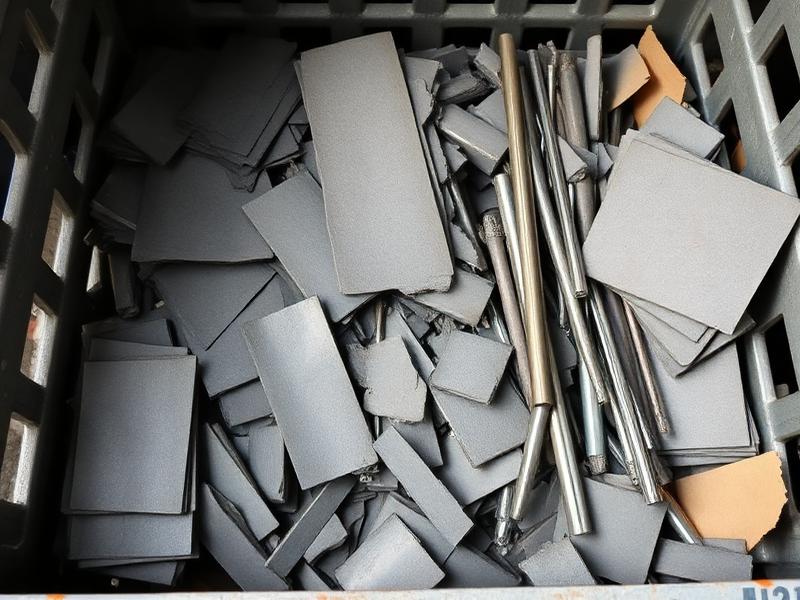
Molybdenum is used where high-temperature strength and low thermal expansion are required. Scrap arises from vacuum furnace hot zones, glass melting electrodes, semiconductor equipment and machining operations.
The material is often mistaken for stainless steel or tungsten by appearance alone, so identification is an essential first step. Verification methods are applied where they are technically suitable for the form of the material.
Molybdenum is often collected alongside tungsten streams; the distinction matters commercially, as our refractory and hardmetal scrap guide explains.
Technical specification
This material is covered by our molybdenum and molybdenum alloy scrap specification, which sets out typical forms, identification, contamination and deduction factors, sampling and packing. Typical characteristics only — contractual specifications are agreed per lot.
Material overview
Molybdenum is a refractory metal used where high-temperature strength and dimensional stability are required: vacuum furnace hot zones, glass melting electrodes, sputtering targets, heat shields and semiconductor process hardware. Alloy grades such as TZM appear in the same environments.
Because molybdenum and tungsten serve overlapping applications, they are routinely collected into the same bins at furnace and vacuum equipment sites. Separating them matters: they are different metals with different values and recovery routes.
- Furnace hot zone components, heat shields and elements
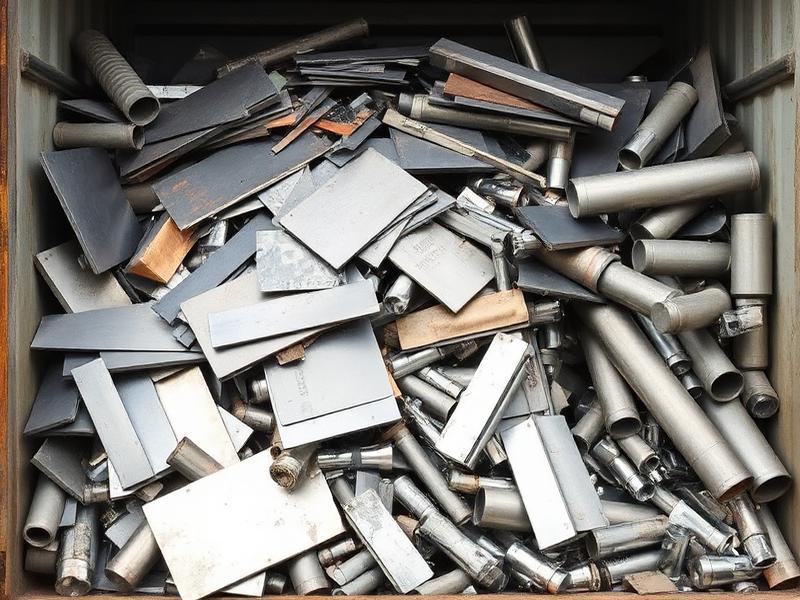
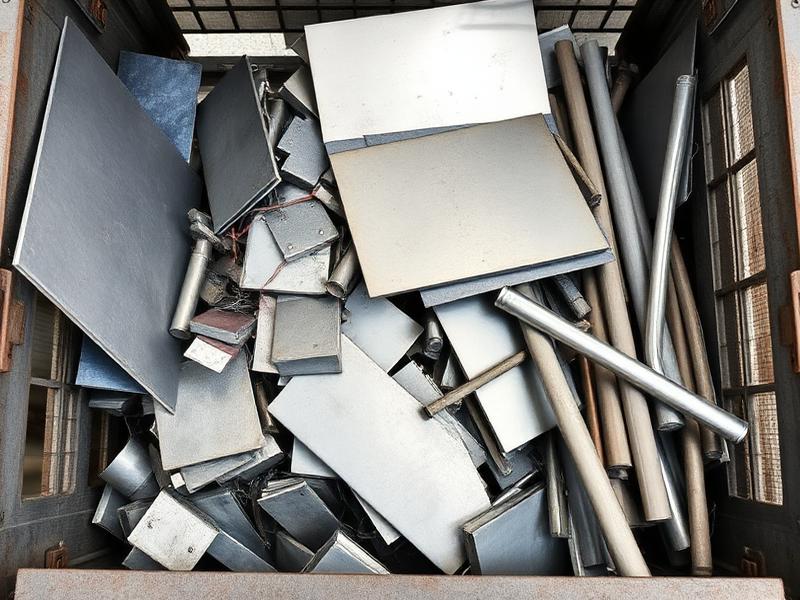
- Sheet, plate, rod and bar offcuts from fabrication
- Glass-melting electrodes and stirrers
- Sputtering targets and vacuum process hardware
- TZM and other molybdenum alloy components where identified
Telling molybdenum from tungsten
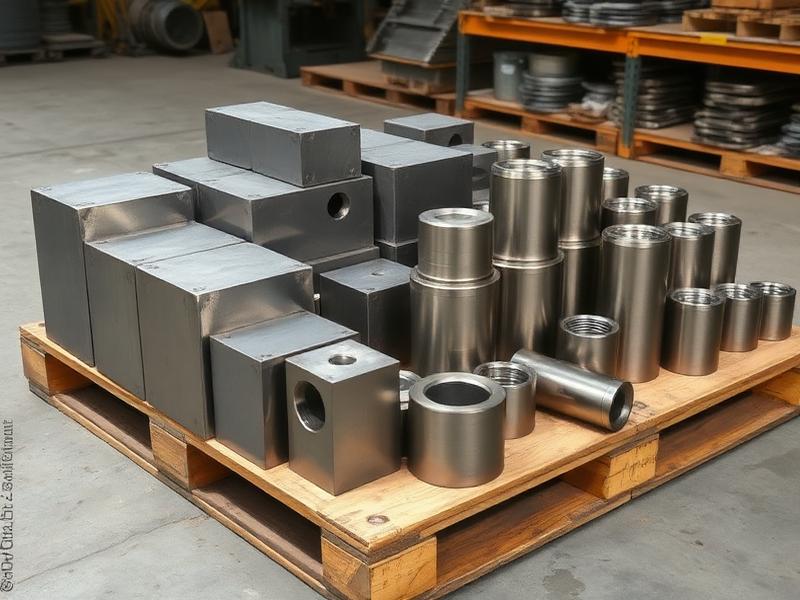
The simplest practical discriminator is weight: tungsten is markedly denser, so two similar-looking plates of the same size differ noticeably in the hand. Beyond that, molybdenum is more readily worked and formed, so fabricated shapes with bends and welds are more likely to be molybdenum than tungsten.
Where certainty is required, elemental screening on a clean surface separates the two reliably at the point measured. Composition varies by grade and lot, particularly where alloy grades are involved, and analysis may be arranged where applicable.
- Whether the generator identified the material at the point of removal
- Mixing with tungsten, tantalum and other refractory metals in the same bin
- Oxide layers and process deposits from high-temperature service
- Ceramic insulators, fasteners and steel supports attached to hot zone parts
- Pure molybdenum against alloyed grades such as TZM
Service condition
Hot zone components come out of the furnace oxidised, embrittled and often distorted. Embrittled molybdenum fractures easily during removal and handling, so parcels frequently contain broken sections rather than intact shields. That is expected and does not change the material family.
Packaging
- Steel drums or boxes filled by weight; sharp fractured edges contained
- Identified alloy grades kept separate from unalloyed material where known
- Ceramic, fastener and steel support material removed where practical
- Sheet and plate stacked flat and banded rather than loaded loose
- Packages labelled with material description, lot reference and net weight
Commercial terms
Molybdenum arises irregularly, tied to furnace rebuilds and equipment replacement, so availability is confirmed at the time of enquiry rather than held as a standing offer. Quotations are prepared FOB Rotterdam or CIF to the destination port once the material description and packing are agreed.
Hot-zone arisings, alloy family and separating moly from its look-alikes
Molybdenum parcels are usually one of three things: furnace hot-zone components at end of service, fabrication and machining arisings from moly mill products, or equipment removed from glass, solar and semiconductor plant during upgrades. Naming the source narrows the likely alloy family immediately, which is why enquiries that state it are answered faster.
Alloy family is the substantive commercial variable. Unalloyed molybdenum, TZM and oxide-doped grades are physically similar and are separated by documentation and instrument screening rather than by appearance. Where the generator knows which parts are TZM, packing them as a labelled fraction preserves that knowledge; once the fractions are combined, the information is effectively lost.
Two look-alikes cause recurring problems. Tungsten pieces mixed into a moly parcel are obvious once weighed against a reference — tungsten is roughly twice as dense — but not obvious by eye. Stainless and nickel alloy sheet in furnace assemblies is the other, and it is separated during preparation rather than left for the buyer to discover.
Attached insulation is the practical preparation task. Hot-zone parts arrive with graphite felt, ceramic fibre and refractory board fixed to them, and none of that carries recoverable metal.
- Source process and approximate service history of the components
- Alloy family split where known — unalloyed, TZM, doped grades or composites
- Whether insulation, fasteners and ceramic components have been removed
- Split between solids, sheet and plate offcuts, and turnings
Refractory metal parcels come from furnace builders, glass plants and vacuum equipment operators in the Benelux and neighbouring markets. Material is described by identified family and condition, never assumed into a grade it has not been shown to be.
Material forms
- Sheet, plate and foil offcuts
- Rod, bar and machined components
- Furnace shields, heating elements and boats
- Glass melting electrodes
- Turnings and machining swarf
Typical sources
- Vacuum furnace operators and manufacturers
- Glass and fibreglass production plants
- Semiconductor and electronics equipment servicing
- Precision machining of refractory metals
Applications and recovery routes
- Remelt feedstock for molybdenum mill products
- Alloying addition in specialty steelmaking
- Chemical reclamation routes
Sorting and preparation
- Identification against stainless steel and tungsten
- Removal of ceramic insulation and mounting hardware
- Separation of turnings from solid material
- Degreasing of oily machining scrap
Inspection and verification
- Visual inspection
- Material sorting
- Magnetic separation where applicable
- XRF analysis where technically suitable
- PMI verification where applicable
- Weight verification
- Moisture inspection where applicable
- Radioactivity screening
- Packing inspection
- Loading supervision
- Third-party inspection by mutual agreement
Inspection scope, testing method, certificates, and acceptance criteria must be agreed in the sales contract before shipment.
Packaging and loading
- Steel drums for turnings and small parts
- Crated and bundled sheet material
- Palletised and strapped for containerisation
- Package weights documented before loading
Export documentation
- Commercial Invoice
- Packing List
- Bill of Lading
- Certificate of Origin
- Weight Certificate
- Inspection Certificate
- Certificate of Analysis, when available
- Technical Data Sheet, when applicable
- Insurance Certificate, depending on Incoterm
- Loading photos and videos
Available documentation depends on the product, inspection arrangement, destination requirements, and agreed contractual terms.
Molybdenum Scrap — frequently asked questions
Related materials