Product overview
Tungsten heavy alloy is a sintered material combining tungsten with a ductile binder, used where extreme density is required in a compact volume. Typical applications include counterweights, radiation shielding, vibration damping tooling and balance components.
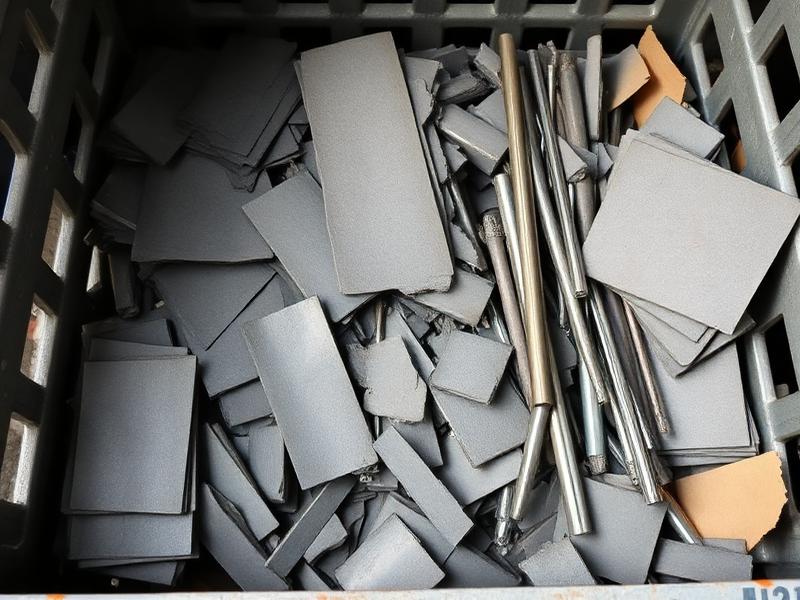
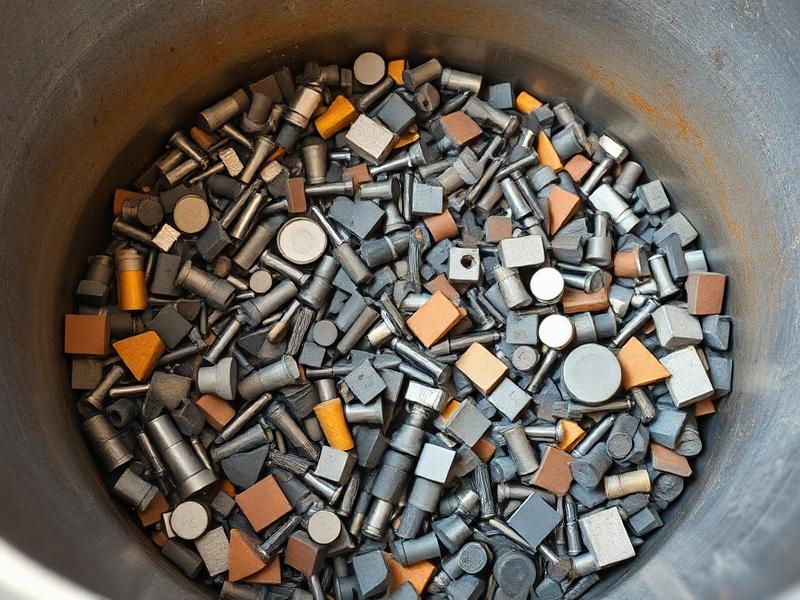
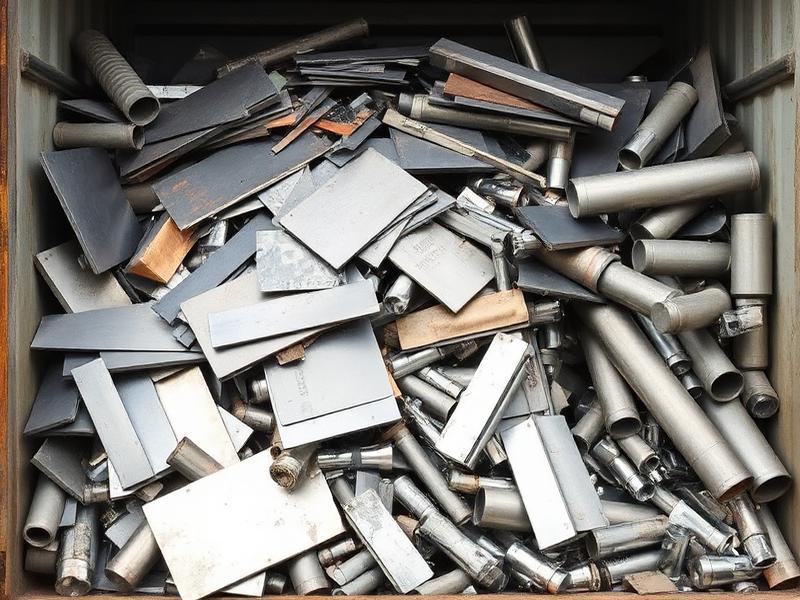
Scrap arises as machining offcuts, turnings, dimensional rejects and retired parts. Because the material is machinable, both solid pieces and turnings are traded, though they are usually handled as separate categories.
Where heavy alloy sits relative to cemented carbide and pure tungsten is explained in our tungsten material and recycling guide.
Technical specification
This material is covered by our pure tungsten metal and tungsten heavy alloy specification, which sets out typical forms, identification, contamination and deduction factors, sampling and packing. Typical characteristics only — contractual specifications are agreed per lot.
Heavy alloy is not cemented carbide
Tungsten heavy alloy is a liquid-phase sintered tungsten metal matrix bound with a nickel-based binder system. Cemented carbide is tungsten carbide particles bound with cobalt. They are different material families with different recovery routes, and the fact that both are dense and tungsten-bearing does not make them interchangeable.
The practical distinction is visible and tactile. Heavy alloy behaves like a metal: it can be machined, turned and drilled, it takes a metallic finish, and offcuts look like conventional machining scrap. Cemented carbide cannot be machined conventionally and fractures rather than deforms.
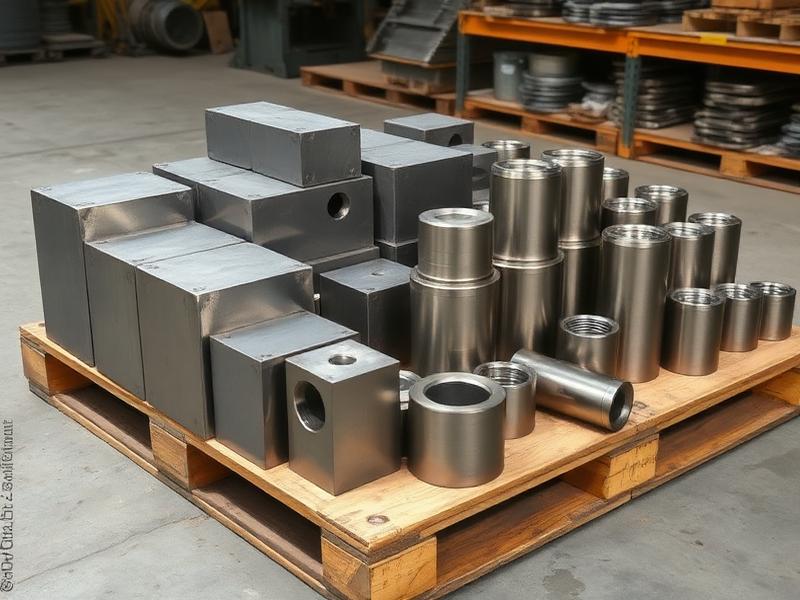
- Counterweights and balance weights from aerospace, motorsport and industry
- Radiation shielding components and collimator parts
- Machining offcuts, turnings and rejects from heavy alloy fabrication
- Kinetic and inertial components withdrawn from service
Identification and provenance
Heavy alloy is most often identified by context: a dense metallic part from a known application, supported by the generator's description of what it was. Where certainty matters, elemental screening on a clean surface distinguishes a nickel-bound tungsten matrix from a cobalt-bound carbide, but a surface reading describes the point measured, not the whole lot.
Composition varies by grade and lot; heavy alloys are produced across a range of tungsten and binder contents. Analysis may be arranged where applicable, and any contractual figure is defined in the sales contract.
- Whether the generator can state the original application and material family
- Machined offcuts and turnings versus complete finished components
- Surface plating, coatings or painted finishes on shielding parts
- Bolts, bushings, housings and mounting hardware attached to weights
- Any items subject to controls arising from their former application
Turnings and machining scrap
Heavy alloy machining generates turnings and swarf, which behave differently from solid pieces: high surface area, retained cutting fluid, and a tendency to pick up contamination from the machine. Turnings should be drained and kept separate from solid offcuts so both fractions can be described accurately.
Packaging for very dense material
- Small steel drums or boxes — heavy alloy fills a container's payload quickly
- Solid components, offcuts and turnings kept as separate labelled fractions
- Individual heavy pieces secured so they cannot shift on the pallet
- Cutting fluid drained from turnings before packing
- Loading planned strictly to container payload limits
Supply and quotation
Heavy alloy arises in modest quantities from specialist manufacturing and from equipment withdrawn from service, so parcels are individual rather than continuous. Availability is confirmed at enquiry, and quotations are prepared FOB Rotterdam or CIF to the destination port.
Application origin, machining arisings and handling density
Tungsten heavy alloy is a sintered tungsten-nickel-iron or tungsten-nickel-copper composite used where extreme density is the design requirement: radiation shielding, counterweights and balance masses, vibration-damping tool holders, and kinetic components. Knowing which application a parcel came from is genuinely informative, because the binder system tends to follow the application.
Machining arisings are common in this stream because heavy alloy is usually finish-machined to close tolerance. Turnings from heavy alloy are dense, oily and quite unlike steel swarf in handling, and they are kept as their own drained fraction rather than mixed with solids.
Density dominates every physical decision here. Drums are part-filled because a full drum of heavy alloy is beyond safe handling weight, pallets are loaded with the weight distributed rather than concentrated, and container loading plans have to account for a payload limit being reached with a small stack.
- Application origin — shielding, counterweights, tooling or other
- Binder system where known, and whether any documentation survives
- Split between solids, machined rejects and turnings
- Whether plating, paint or bonded attachments are present on the pieces
Heavy alloy parcels are described by fraction and material family rather than lumped in with hardmetal, which matters to refiners whose processes differ between nickel-bound and cobalt-bound systems. Consolidation and loading are handled from the Netherlands through Rotterdam.
Material forms
- Solid blocks, cylinders and machined offcuts
- Turnings and machining chips
- Counterweights and balance elements
- Shielding components and collimator parts
Typical sources
- Aerospace and motorsport component manufacturers
- Precision machining specialists
- Medical and industrial radiography equipment servicing
- Instrument and sensor manufacturers
Applications and recovery routes
- Remelt and reprocessing routes for tungsten units
- Chemical reclamation of tungsten content
- Secondary raw material for heavy alloy production
Sorting and preparation
- Separation of solids from turnings
- Removal of steel and copper hardware from assemblies
- Degreasing of oily turnings before packing
- Radioactivity screening where the prior service is unknown
Inspection and verification
- Visual inspection
- Material sorting
- Magnetic separation where applicable
- XRF analysis where technically suitable
- PMI verification where applicable
- Weight verification
- Moisture inspection where applicable
- Radioactivity screening
- Packing inspection
- Loading supervision
- Third-party inspection by mutual agreement
Inspection scope, testing method, certificates, and acceptance criteria must be agreed in the sales contract before shipment.
Packaging and loading
- Steel drums with reduced fill height because of extreme density
- Crates for large single pieces
- Palletised with dunnage and strapping
- Individual piece or package weights recorded
Export documentation
- Commercial Invoice
- Packing List
- Bill of Lading
- Certificate of Origin
- Weight Certificate
- Inspection Certificate
- Certificate of Analysis, when available
- Technical Data Sheet, when applicable
- Insurance Certificate, depending on Incoterm
- Loading photos and videos
Available documentation depends on the product, inspection arrangement, destination requirements, and agreed contractual terms.
Tungsten Heavy Alloy Scrap — frequently asked questions
Related materials