Product overview
Titanium scrap is generated across aerospace fabrication, chemical process equipment, marine hardware and medical device production. It is traded in both solid and turning form, with solids generally commanding stronger interest.
Titanium turnings require particular attention during handling and packing because fine, dry swarf is readily ignitable. Packing and moisture control are agreed in advance for any lot containing turnings.
Titanium sits alongside the refractory and specialty streams described in our specialty metal scrap guide.
Technical specification
This material is covered by our titanium and titanium alloy scrap specification, which sets out typical forms, identification, contamination and deduction factors, sampling and packing. Typical characteristics only — contractual specifications are agreed per lot.
Material overview
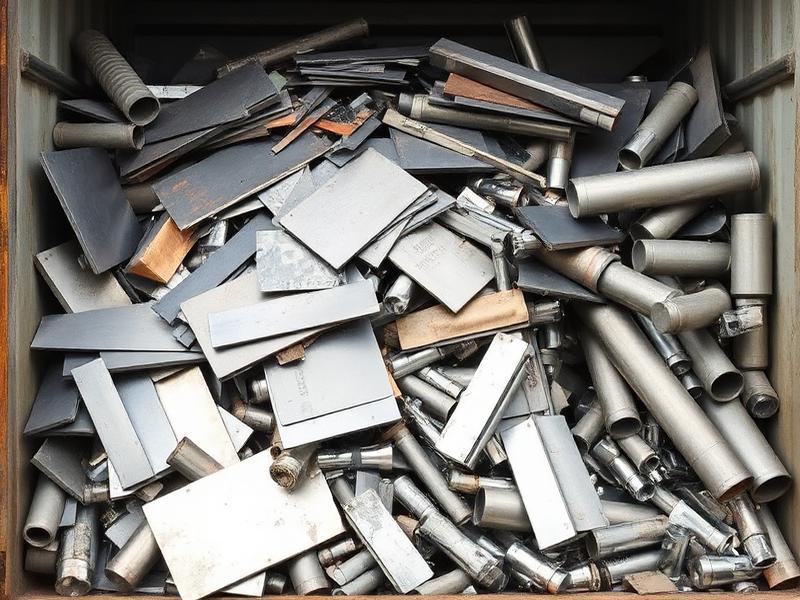
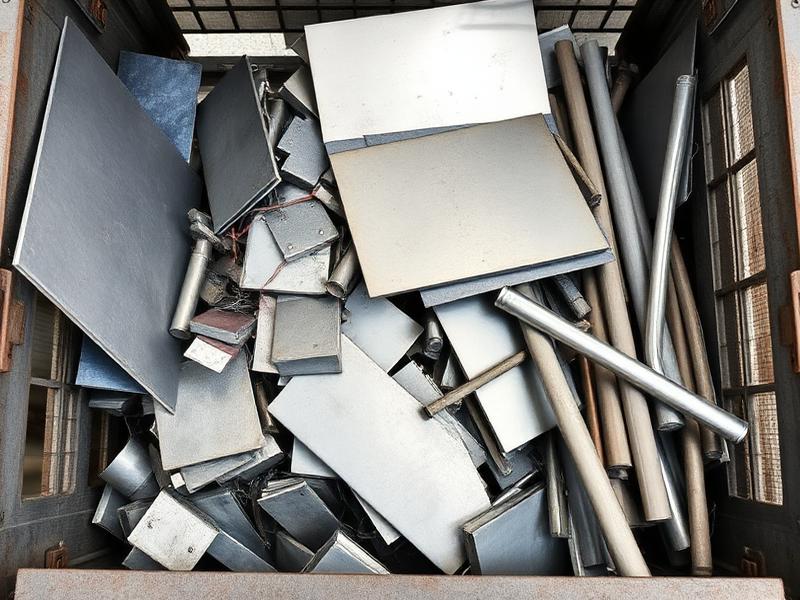
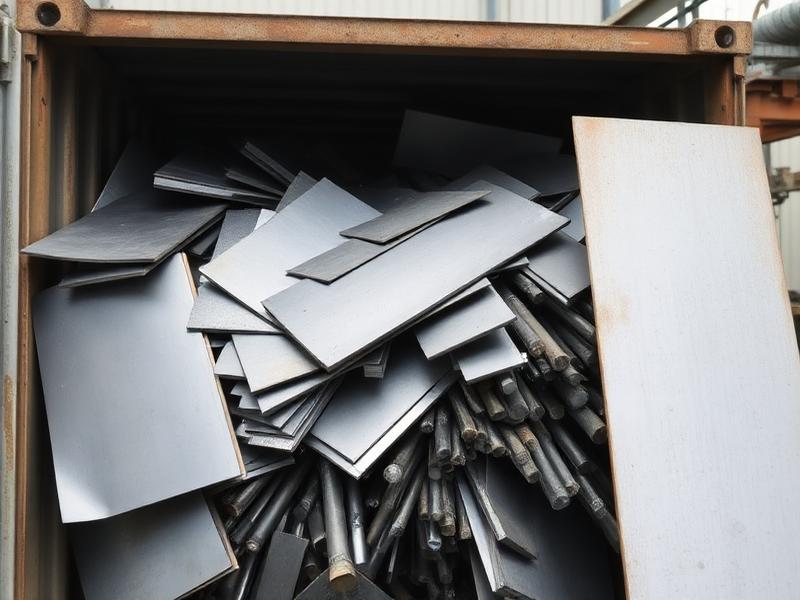
Titanium scrap arises from aerospace and medical fabrication, chemical process plant, heat exchangers and marine equipment. It is traded as solids — plate and sheet offcuts, bar ends, tube and forged shapes — and as turnings from machining, which are handled very differently from solids.
Commercially pure grades and alloy grades both occur. The distinction matters to the buyer's process, so any grade information the generator can evidence is carried with the parcel rather than assumed.
- Plate, sheet and forging offcuts from fabrication
- Bar ends, tube, pipe and heat exchanger components
- Machining turnings, borings and swarf
- Aerospace and medical fabrication rejects and trim
- Process equipment components withdrawn from service
Turnings need separate handling
Titanium turnings are not simply small solids. They carry cutting fluid, they have very high surface area, and they are readily contaminated by other metals machined on the same equipment. Fine, dry titanium swarf also needs careful storage and handling on the generator's site.
For those reasons turnings are always packed, labelled and described as their own fraction, and mixed swarf containing other alloy families is identified as mixed rather than offered as titanium.
- Solids versus turnings, kept as separate fractions
- Cutting fluid content and whether turnings have been drained
- Contamination by steel, aluminium or other metals from shared machining
- Coatings, anodising and surface finishes on fabricated parts
- Attached fasteners, inserts and dissimilar-metal fittings
Grade evidence
Titanium grades cannot be distinguished visually. Where a fabricator can supply mill documentation, cut-off records or job traceability, that evidence travels with the parcel. Where it cannot, the material is described honestly as unidentified titanium. Analysis may be arranged where applicable, with the method agreed contractually.
Packaging and preparation
- Solids in boxes or on secured pallets, cut to handleable sizes where practical
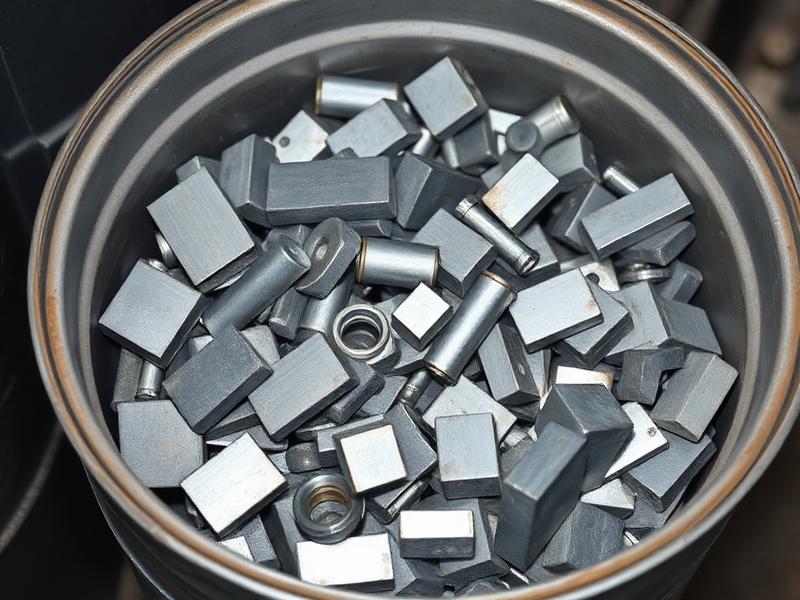
- Turnings in sealed steel drums, drained, and never mixed with other metals
- Documented and undocumented material packed as separate labelled fractions
- Attached dissimilar-metal fittings removed where practical
- Packages labelled with fraction, documentation reference and net weight
Supply and quotation basis
Availability is confirmed per parcel, as titanium arises from specific fabrication programmes rather than continuously. Quotations are prepared FOB Rotterdam or CIF to the destination port once fraction, evidence and packing are agreed.
Solids against turnings, and the handling discipline titanium requires
Every titanium parcel is really two conversations: one about solids and one about turnings. Solids — plate offcuts, bar ends, forging crops, component rejects — are straightforward to pack, straightforward to inspect and comparatively easy to place. Turnings carry cutting fluid, fines and a fire-safety profile that governs how they are collected, stored, packed and moved.
Fine, dry titanium chips can ignite, and a titanium fire is not controlled with water. That is not a reason to avoid the material, but it is the reason turnings are collected in closed metal containers, kept away from ignition sources, never compacted in ways that create hot spots, and never packed together with solids. The applicable transport rules follow from the actual condition of the material and are confirmed for each shipment.
Origin is the other decisive fact. Aerospace and medical manufacturing arisings are clean, grade-identified and generated under process control. General fabrication and service-return titanium is variable, may be coated or anodised, and is described as mixed unless the grades were kept apart.
Embedded tool fragments deserve explicit attention in any enquiry covering machining arisings, because carbide inclusions survive downstream processing and are a recognised concern for buyers of turnings.
- Weight split between solids and turnings, and how each is currently stored
- Grade or family, and whether it was maintained separately at source
- Origin — aerospace, medical, chemical plant, marine or general fabrication
- Cutting fluid condition of the turnings and whether they have been drained and dried
Titanium parcels are separated into solids and turnings and described against whatever documentation the generator can actually produce. Consolidation and loading are handled from the Netherlands with documentation issued per shipment.
Material forms
- Sheet, plate and fabrication offcuts
- Bar ends, forgings and billet remnants
- Tube and pipe sections
- Machining turnings and swarf
- Retired components and assemblies
Typical sources
- Aerospace fabrication and machining
- Chemical and desalination plant equipment
- Medical implant and device manufacture
- Marine and offshore hardware
Applications and recovery routes
- Remelt feedstock for titanium mill products
- Alloying addition in steel and superalloy production
- Secondary raw material for powder manufacture
Sorting and preparation
- Separation of solids from turnings
- Removal of steel fasteners, inserts and hardware
- Segregation by declared alloy where documented
- Control of moisture and oil content in turnings
Inspection and verification
- Visual inspection
- Material sorting
- Magnetic separation where applicable
- XRF analysis where technically suitable
- PMI verification where applicable
- Weight verification
- Moisture inspection where applicable
- Radioactivity screening
- Packing inspection
- Loading supervision
- Third-party inspection by mutual agreement
Inspection scope, testing method, certificates, and acceptance criteria must be agreed in the sales contract before shipment.
Packaging and loading
- Sealed steel drums for turnings under agreed fill limits
- Bundled and crated sheet and bar
- Palletised and strapped for container transport
- Package weights and counts documented
Export documentation
- Commercial Invoice
- Packing List
- Bill of Lading
- Certificate of Origin
- Weight Certificate
- Inspection Certificate
- Certificate of Analysis, when available
- Technical Data Sheet, when applicable
- Insurance Certificate, depending on Incoterm
- Loading photos and videos
Available documentation depends on the product, inspection arrangement, destination requirements, and agreed contractual terms.
Titanium Scrap — frequently asked questions
Related materials