Taint Tabor Aluminum Scrap Exporter — Mixed Low-Copper Aluminum from Rotterdam
Nautica Metal Scrap B.V. supplies Taint Tabor aluminum scrap — the ISRI-classified mixed low-copper aluminum sheet, clip, and casting grade — to secondary smelters across China, India, Vietnam, Thailand, Turkey, and the UAE. Every shipment is SGS-verified at the Port of Rotterdam, exported under CFR / CIF Incoterms, and delivered with full chemistry analysis.
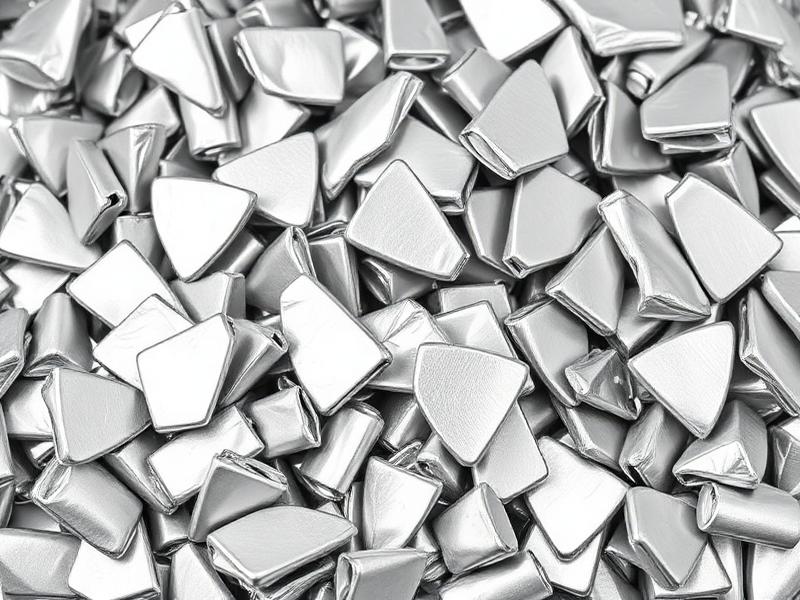
What Is Taint Tabor Aluminum Scrap?
In the ISRI scrap specifications, Taint covers painted aluminum siding and trim, while Tabor covers clean mixed low-copper aluminum clips and sheet. The combined "Taint Tabor" designation is widely used in international trade for shipments consisting of painted and unpainted aluminum sheet, clips, off-cuts, and light castings — kept free of high-copper aluminum, dirt, iron, and free zinc.
Taint Tabor is a workhorse feedstock for secondary aluminum smelters producing deox aluminum, ADC12 die-casting alloy, and various wrought re-melt billets. Its predictable low-copper chemistry (typically below 0.4% Cu) makes it more flexible than dirtier mixed scrap grades and more affordable than UBC for casting alloy production.
Our Taint Tabor is consolidated from industrial collection points across the Netherlands, Belgium, Germany, and France, then sorted, baled, and shipped from our Rotterdam-area warehouse. Total monthly aluminum capacity exceeds 20,000 MT.
Specifications & Chemistry
ISRI Designation
Taint + Tabor (combined mixed low-copper Al)
HS Code
7602.00.19 (Aluminum Waste & Scrap)
Recoverable Aluminum
92% – 95% by weight
Copper (Cu)
≤ 0.4%
Iron (Fe)
≤ 0.7%
Silicon (Si)
0.5% – 1.0%
Zinc (Zn) / Nickel (Ni)
≤ 0.2% Zn • ≤ 0.05% Ni
Form
Baled or loose sheet, clip, off-cut, light casting
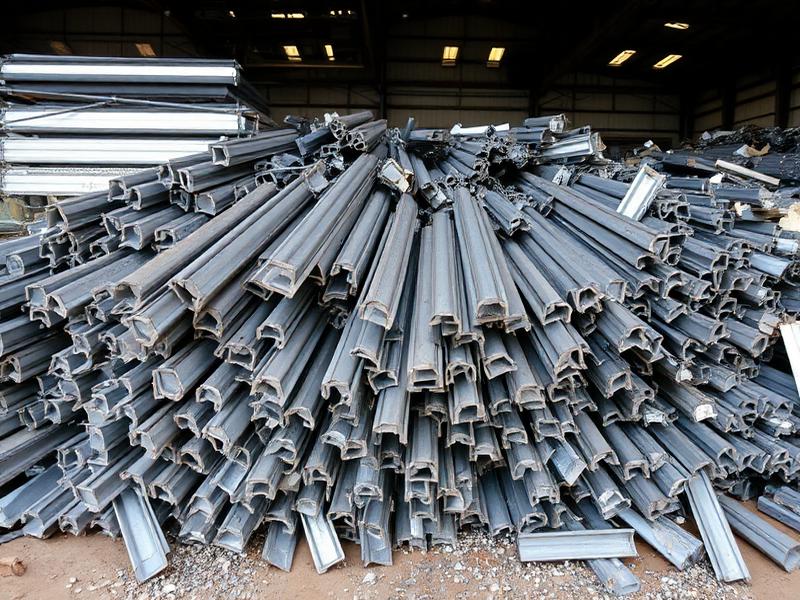
Packaging, Loading & Logistics
- Hydraulically baled (800–1,000 kg) or loose-loaded for direct melt
- 20ft container: 22–24 MT net (baled) / 18–20 MT (loose)
- Containers lined with woven PP fabric — moisture-controlled
- Loading at bonded terminal, Port of Rotterdam, within 7–14 days of LC
- Weekly direct sailings to Shanghai, Nhava Sheva, Jebel Ali, and Iskenderun
- Real-time photo and video documentation of each container
SGS Inspection & Quality Assurance
XRF Chemistry Verification
Spectrometer-based XRF chemistry analysis on every booked shipment, confirming Cu / Fe / Si / Zn within spec before vessel loading.
Moisture & Contamination
Moisture content kept below 1%. Free from PVC, free zinc, iron attachments, and high-copper aluminum alloys.
Inspection Reports
SGS, Bureau Veritas, Cotecna, or Intertek reports issued with each shipment alongside full document pack.
Worldwide Shipping from Rotterdam
East Asia
Shanghai, Ningbo, Qingdao, Hong Kong, Busan, Kaohsiung
South & SE Asia
Nhava Sheva, Mundra, Chennai, Port Klang, Ho Chi Minh, Laem Chabang, Jakarta
Middle East & Turkey
Jebel Ali, Hamriyah, Iskenderun, Aliaga, Mersin, Sohar
Related Aluminum Grades
Aluminum UBC Scrap
ISRI Taldon used beverage can scrap
View gradeAluminum 6063 Scrap
Extrusion-grade aluminum scrap
View gradeAluminum 6061 Scrap
Aerospace and structural 6061 scrap
View gradeAluminum Twitch Scrap
ISRI Twitch — zorba-separated shredded aluminum
View gradeAluminum Talon Scrap
ISRI Talon — painted aluminum siding and trim
View gradeAluminum Tense Scrap
ISRI Tense — mixed radiator and heat-exchanger aluminum
View gradeTaint Tabor FAQ
What is Taint Tabor aluminum scrap?
Taint Tabor is the combined ISRI grade for mixed clean low-copper aluminum sheet, casting, and clip scrap. 'Taint' (ISRI Tale) is painted siding aluminum and 'Tabor' (ISRI) is clean mixed low-copper aluminum clips. Together, Taint Tabor is one of the highest-yielding non-furnace-ready aluminum scrap grades for secondary smelters in Asia.
What is the typical chemistry of Taint Tabor?
Taint Tabor scrap typically yields 92%–95% recoverable aluminum after melting. Copper content is kept below 0.4%, iron below 0.7%, silicon 0.5–1.0%, zinc below 0.2%, and nickel/tin below 0.05%. The exact chemistry depends on the input mix and is verified by SGS spectrometer analysis on request.
How is Taint Tabor different from UBC scrap?
UBC (Used Beverage Cans, ISRI Taldon) is a single-source can-stock alloy (3104/5182) with predictable chemistry. Taint Tabor is a mixed sheet/clip/casting grade with a wider chemistry range. UBC trades at a premium for direct can-sheet remelting; Taint Tabor is preferred by secondary smelters producing deox aluminum, ADC12, or casting alloys.
What is the minimum export order?
Minimum order is 25 MT (one 20ft container), and our monthly supply capacity is up to 1,500 MT of Taint Tabor across consolidated European sources. We accept LC at sight and TT (30%/70%) for verified buyers.
Do you provide SGS inspection for Taint Tabor shipments?
Yes. Every shipment can be SGS, Bureau Veritas, Cotecna, or Intertek inspected at the Port of Rotterdam prior to loading. Representative sampling, moisture testing, and XRF chemistry analysis are included in the standard inspection scope.
Container Loading Capacity
Loaded weight per container is calculated on a calibrated 60-tonne weighbridge at our Rotterdam yard. Photographs and bridge tickets accompany every shipment for aluminum tense / taint-tabor scrap.
| Container | Net Loaded Weight | Form |
|---|---|---|
| 20'GP | 22–24 MT | Loose mixed sheet & cast |
| 40'HC | 24–25 MT | Loose |
ISRI Grade
Taint / Tabor / Tense
HS Code
7602.00
Typical Purity
97% Al min
Quality Assurance Process
- 1
Gate inspection
Inbound trucks weighed and visually graded against ISRI master samples before unloading.
- 2
Yard re-sort
Material re-sorted by alloy family, photographed lot-by-lot, and segregated to grade-specific bays.
- 3
Magnet & XRF check
Magnetic separation removes ferrous contamination; XRF spot-checks confirm alloy chemistry.
- 4
Pre-load audit
Container floor lined, weight target confirmed, stuffing sequence photographed with timestamps.
- 5
Third-party inspection
SGS, Bureau Veritas, Intertek, CCIC or TÜV inspect on buyer request before bill-of-lading release.
- 6
Seal & document
High-security bolt seal applied; seal number printed on packing list, B/L and inspection certificate.
SGS & Intertek Inspection
Pre-shipment inspection is arranged at the loading point on the buyer's request. SGS, Bureau Veritas, Intertek, CCIC and TÜV are all welcome at our Rotterdam yard — the buyer instructs the inspector directly and we invoice the cost at actual.
The inspector observes stuffing, draws representative samples for XRF or wet-lab analysis, photographs the loaded container, witnesses the seal application and issues the inspection certificate prior to bill-of-lading release. Destination-mandated certificates (BIS for India, CCIC for China, TSE for Turkey) are arranged where required.
Shipping & Logistics
Loading takes place at our Rotterdam yard with direct gate access to ECT, APMT and RWG terminals. Weekly direct sailings cover Asia, the Middle East, Africa and the Americas. Typical transit times below are indicative — exact ETAs are confirmed on each booking.
Rotterdam → Nhava Sheva
18–22 days
Rotterdam → Shanghai
28–32 days
Rotterdam → Ho Chi Minh
28–32 days
Rotterdam → Mersin
14–18 days
Rotterdam → Jebel Ali
18–22 days
Rotterdam → Houston
18–22 days
Export Documentation
- Commercial invoice & packing list
- Weighbridge tickets per container
- Bill of lading (telex-release on request)
- Container loading photographs
- EUR.1 movement certificate (where applicable)
- EU Annex VII waste-shipment document (non-OECD)
- Third-party inspection certificate (SGS/BV/Intertek/CCIC)
- Certificate of origin (Chamber of Commerce)
Countries We Supply
We ship aluminum tense / taint-tabor scrap on CIF and FOB terms to industrial buyers in over fifty countries. Active monthly contracts include:
Buyer FAQ
What is the maximum copper content?
Tense ships at maximum 1.0% Cu; Taint/Tabor at maximum 0.4% Cu to suit secondary deox and master-alloy makers.
Are attachments removed?
Yes. All steel screws, iron handles and non-metallic attachments are removed during yard sorting before container loading.
Is it baled or loose?
Standard loading is loose for maximum re-melt yield. Baling is available on request at +USD 15/MT.
Do you provide chemistry?
Yes. A representative XRF analysis accompanies each shipment, with full SGS lab analysis available on buyer request.
What is the difference between Taint, Tabor and Tense?
Taint is mixed low-copper aluminum sheet ≤0.15% Cu; Tabor is old mixed cast aluminum ≤0.40% Cu; Tense is combined sheet/cast ≤1.0% Cu. All three suit deox and secondary alloying.
Is de-ox aluminum a specific end-use?
Yes. Steel mills consume Tense as a deoxidiser during ladle metallurgy. Deox-grade shipments are sized 40–120 mm, low iron, and require an ISO 9001 declaration for mill acceptance.
What container weight can be loaded?
22–24 MT loose in a 20'GP; up to 25 MT in a 40'HC. Baled Tense pushes 20'GP to 25 MT but incurs a bale surcharge.
Is oxidation or corrosion accepted?
Light surface oxidation is inherent to old-arisings sheet and is accepted. Heavy corrosion or waterlogged material is rejected at the gate and does not enter the Tense stream.
What LME percentage applies to Tense?
Tense typically trades at 68–74% of LME primary aluminum CIF Asian port; Taint/Tabor at 72–78% depending on the copper and iron ceilings the buyer specifies.
Can we blend Tense with UBC?
No — chemistry and re-melt yields differ significantly. UBC ships as its own cargo; blending would penalise the entire container to Tense pricing.
Which mills prefer Taint over Tense?
Master-alloy makers and secondary refined-ingot plants prefer Taint for its tighter copper ceiling (≤0.15%). Deox producers and general secondary smelters take Tense.
Do you provide radiography or PMI reports?
Handheld XRF PMI reports are standard; radiography is not applicable for scrap. Full ICP-OES analysis is available for buyers running deox mill-spec contracts.
Request a Taint/Tabor Aluminum Scrap Quotation
Send your quantity, destination port and Incoterm. We reply with a CIF/FOB offer, full specification sheet and export documentation list.
Ready to Discuss Your Metal Scrap Requirements?
Contact our sales team for competitive pricing, bulk orders, and customized solutions.MOQ: 25 MT | Monthly Capacity: 20,000 MT