Product overview
Tool steel scrap comprises retired dies, mould bases, punches, forging tooling and heavy machined offcuts. Section thickness is typically substantial, which influences both handling and the loading plan.
Alloy content varies widely across hot work, cold work and plastic mould grades. Where the generator has documented the grade, that information is passed on, but composition otherwise remains subject to inspection, sorting, grade, and available analysis.
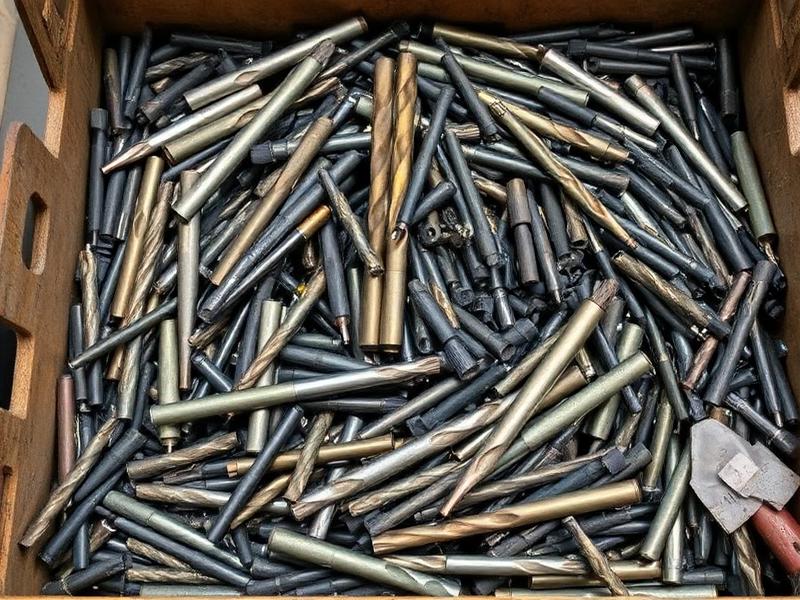
Tool steel is frequently collected alongside carbide tooling; the two are handled separately, as our tooling and hardmetal scrap guide describes.
Technical specification
This material is covered by our tool steel and die steel scrap specification, which sets out typical forms, identification, contamination and deduction factors, sampling and packing. Typical characteristics only — contractual specifications are agreed per lot.
Material overview
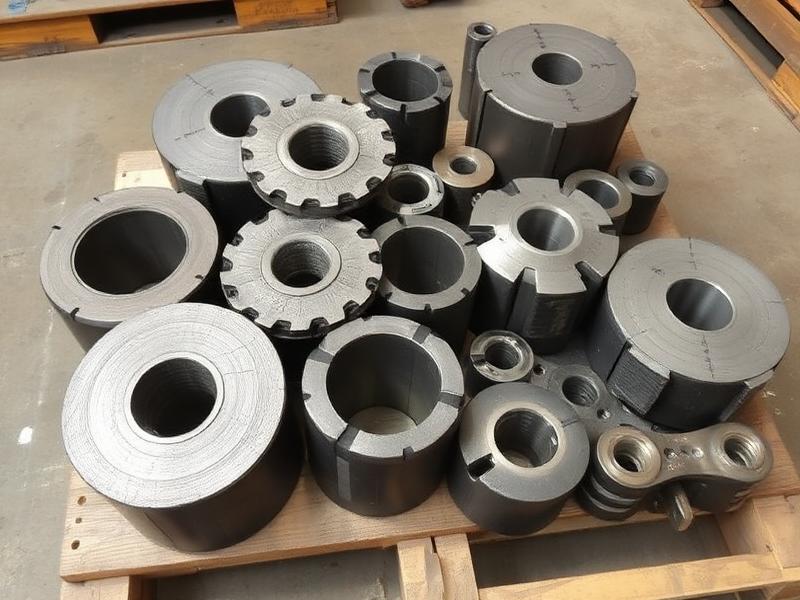
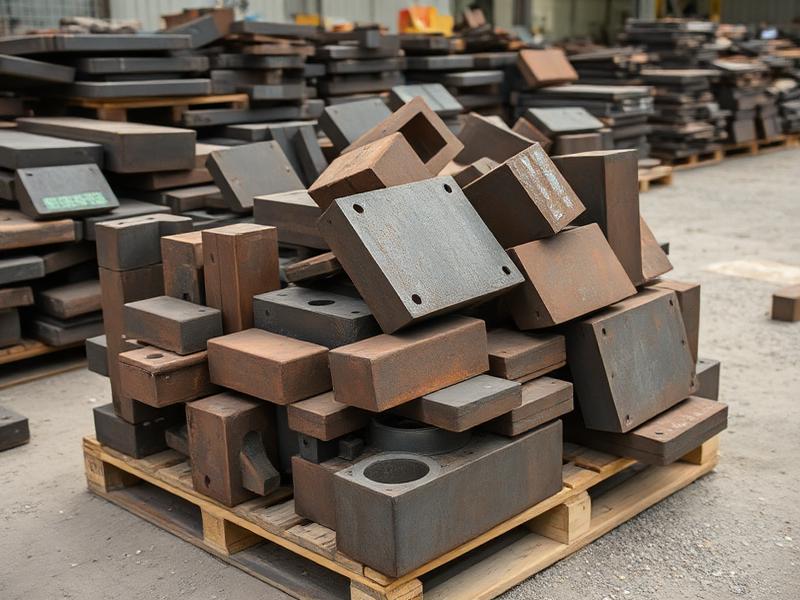
Tool steel scrap comes from toolrooms, press shops, forging plants and moulding operations: die blocks, mould bases and cavities, punches, dies, shear blades, forging tooling and press components. Pieces are typically large, heavy and dimensionally awkward rather than small and loose.
The grades in circulation span cold work, hot work, plastic mould and shock-resisting families. They are not distinguishable by eye, and worn tooling rarely carries legible marking.
- Die blocks, bolsters and mould bases
- Mould cavities, cores and inserts
- Punches, forming dies and shear blades
- Forging tooling and press components
- Machining offcuts and trepanned sections from toolroom work
Size, cutting and handling
The dominant practical issue with tool steel is bulk. A single die block can weigh more than a whole drum of carbide, and oversized pieces are difficult to load, difficult to weigh accurately in a mixed parcel, and difficult for a buyer to feed into a furnace or process.
Cutting large pieces down to a manageable size is often the deciding factor in whether a parcel can move at all. Where cutting is required, the scope is agreed in advance because it is a real cost.
- Maximum piece size and weight relative to the buyer's handling capability
- Whether pieces require cutting before loading
- Attached bolsters, guide pins, bushings, springs and hydraulic fittings
- Copper cooling inserts, brass fittings and plated surfaces on mould tooling
- Oil, grease and preservative coatings on stored tooling
Grade evidence and mixed families
Where a toolroom can identify what a block was made from, that evidence is worth carrying with the parcel. Where it cannot, the material is described as unidentified tool steel rather than assigned to a grade family it has not been shown to belong to. Composition varies by grade and lot, and analysis may be arranged where applicable.
Packaging and loading
- Heavy pieces secured on pallets or in reinforced boxes rated for the weight
- Non-steel attachments — copper inserts, brass fittings, hydraulics — removed where practical
- Oversized pieces cut to agreed dimensions before loading where required
- Documented grades kept separate from unidentified material
- Loading planned to container payload, with weights recorded per package
Commercial terms
Tool steel parcels arise from tooling retirement and plant clear-outs and are individual by nature. Availability, cutting scope and terms are confirmed for the specific lot; quotations are prepared FOB Rotterdam or CIF to the destination port.
Piece size, stripping status and preparing die and mould tooling for shipment
Tool steel parcels are governed by physical logistics more than by metallurgy. A forging die block or a large mould base can weigh several tonnes as one piece, and whether that piece can be lifted, loaded and received determines whether it can be shipped at all. Maximum piece weight and dimensions therefore belong in the first message, not in a later exchange.
Cutting is available where it is genuinely needed, but it is a cost with a consumable attached, so the scope and the resulting piece size are agreed in advance rather than assumed. Some destinations handle large blocks comfortably; specifying cutting they do not need simply removes value from the parcel.
Mould tooling carries the second preparation burden. Injection moulds are assemblies, not lumps of steel: copper and beryllium-copper cooling inserts, hydraulic and pneumatic fittings, hoses, heaters, thermocouples, wiring, bronze bushings, guide pins and springs all have to be stripped before the item is a tool steel offer. Copper left in place is both dead weight and a residual-element concern for a remelt route.
Where a die shop knows what grades its blocks were purchased as, that knowledge is the strongest description available for this material and should travel with the lot even when no certificate survives.
- Weight and dimensions of the largest pieces in the parcel
- Whether cutting has been carried out, is available on site, or is required
- Stripping status of any mould tooling and what non-steel components remain
- Grade or family knowledge from the die shop, and any surviving records
Tool steel parcels are handled with attention to the practical questions that decide whether heavy tooling can actually move: piece size, cutting, attachments and loading weights. Shipments are prepared in the Netherlands and loaded through Rotterdam.
Material forms
- Forging and hot work die blocks
- Plastic injection mould bases and cavities
- Cold work punches, dies and shear blades
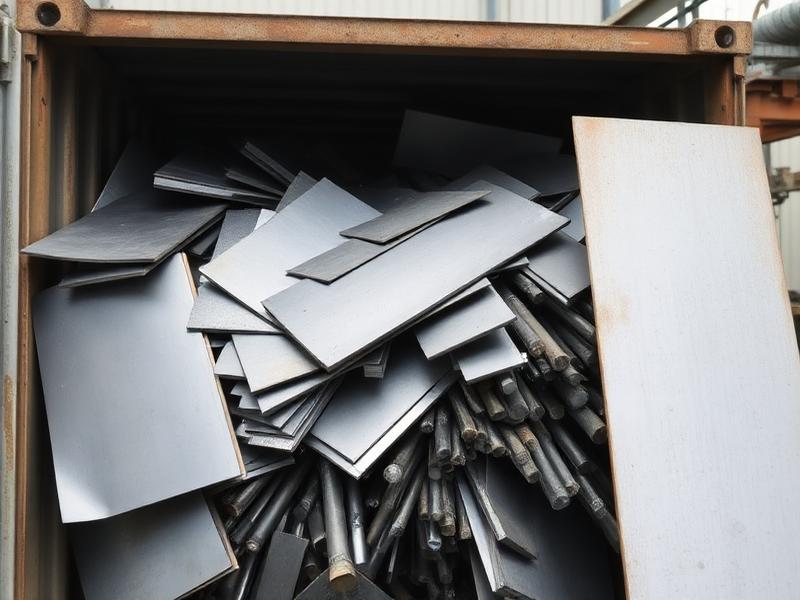
- Heavy machined offcuts and bar ends
Typical sources
- Die and mould making shops
- Forging plants and press operations
- Plastics processing equipment replacement
- Heavy engineering and stamping plants
Applications and recovery routes
- Remelt feedstock for tool steel and alloy steel production
- Alloy recovery in electric arc steelmaking
- Secondary supply of chromium, molybdenum and vanadium units
Sorting and preparation
- Removal of copper cooling inserts, bolts and non-ferrous hardware
- Segregation by declared grade family where documented
- Size reduction by prior agreement for oversized blocks
- Removal of plastic residue from mould cavities
Inspection and verification
- Visual inspection
- Material sorting
- Magnetic separation where applicable
- XRF analysis where technically suitable
- PMI verification where applicable
- Weight verification
- Moisture inspection where applicable
- Radioactivity screening
- Packing inspection
- Loading supervision
- Third-party inspection by mutual agreement
Inspection scope, testing method, certificates, and acceptance criteria must be agreed in the sales contract before shipment.
Packaging and loading
- Loose loaded in containers with dunnage and secure blocking
- Palletised for smaller offcuts
- Weight distribution planned to respect container limits
- Loading photographs recorded on request
Export documentation
- Commercial Invoice
- Packing List
- Bill of Lading
- Certificate of Origin
- Weight Certificate
- Inspection Certificate
- Certificate of Analysis, when available
- Technical Data Sheet, when applicable
- Insurance Certificate, depending on Incoterm
- Loading photos and videos
Available documentation depends on the product, inspection arrangement, destination requirements, and agreed contractual terms.
Tool Steel Scrap — frequently asked questions
Related materials